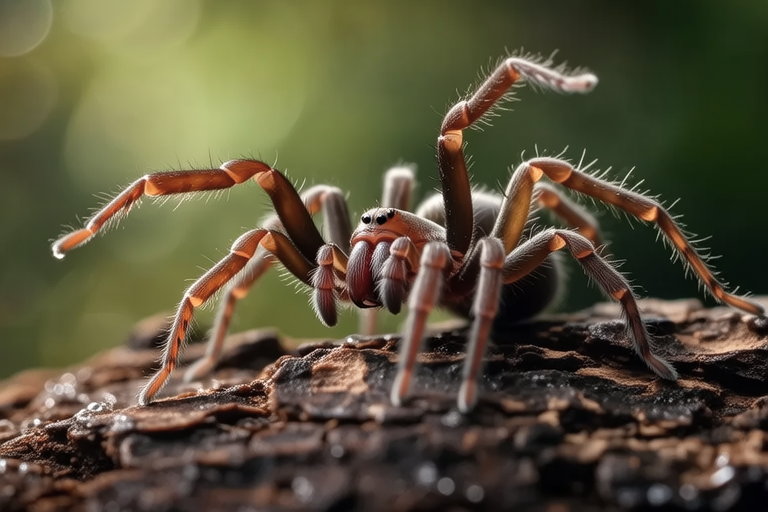
The Ultimate Guide to Caring for Your Exotic Pet: Tarantulas
Welcome to your comprehensive guide on tarantula care! Whether you’re a seasoned enthusiast or just beginning your journey into the world of exotic pets, this guide will provide you with all the essential information to ensure your tarantula thrives. From species overview to ethical considerations, we’ve got you covered.
Species Overview
Tarantulas belong to the family Theraphosidae and encompass over 900 species, each with its own unique characteristics. They range from small species like the Pinktoe tarantula to large ones such as the Goliath Birdeater. Understanding the specific needs of your chosen species is crucial for providing optimal care. Research thoroughly before selecting your tarantula to match your lifestyle and commitment level.
Habitat Setup
Enclosure Size
The size of the enclosure depends on the species of tarantula. As a general rule, the enclosure should be at least three times the leg span of the tarantula in length and width, with a height that allows the tarantula to move freely without feeling cramped. A larger enclosure can prevent stress and promote healthier behavior.
Substrate
Choosing the right substrate is vital for creating a comfortable environment. Many tarantula owners opt for coconut fiber or cypress mulch due to their moisture-retention properties. These substrates help maintain the necessary humidity levels while providing a natural burrowing space for your tarantula.
Temperature and Humidity
Maintaining the correct temperature and humidity is key to your tarantula’s well-being. Most tarantulas thrive in temperatures ranging between 75°F and 85°F (24°C to 29°C). Humidity levels vary by species but generally should be kept between 60% and 80%. Use a hygrometer to monitor humidity and adjust as needed.
Diet and Feeding Habits
Tarantulas are carnivorous and feed primarily on live insects such as crickets, mealworms, and dubia roaches. The frequency of feeding depends on the age and size of the tarantula. Younger tarantulas may require feeding every few days, while adults might only need food once a week. Always remove uneaten prey after a few hours to avoid stressing your tarantula.
Handling and Safety Tips
While tarantulas make fascinating pets, it’s important to handle them carefully. Always wash your hands before and after handling to prevent transferring oils or chemicals. Never grab your tarantula directly; instead, coax it gently onto your hand. If provoked, some tarantulas may flick urticating hairs from their abdomen, which can cause irritation. Wear protective gloves when handling to minimize this risk.
Health Care and Common Issues
Regular monitoring of your tarantula’s behavior and appearance is crucial for early detection of health problems. Common issues include dehydration, mites, and improper shedding. Ensure your tarantula has access to clean water and observe its molting process closely. Consult a veterinarian specializing in exotic pets if you notice any unusual behaviors or physical changes.
Breeding Information
Breeding tarantulas requires advanced knowledge and experience. It involves understanding the mating process, ensuring the right environmental conditions, and managing potential risks to both the adult spiders and their offspring. Breeding should only be attempted by those with extensive experience and the appropriate resources.
Ethical Considerations
Owning an exotic pet comes with significant responsibilities. Ensure you’re prepared for the long-term commitment involved. Research local laws regarding ownership and importation of exotic species. Choose captive-bred animals over wild-caught ones to support sustainable practices and reduce harm to natural ecosystems.
In conclusion, caring for a tarantula can be incredibly rewarding. By following these guidelines, you’ll create a nurturing environment where your tarantula can flourish. Remember, the bond between you and your pet is built on mutual respect and understanding. Happy tarantula keeping!
