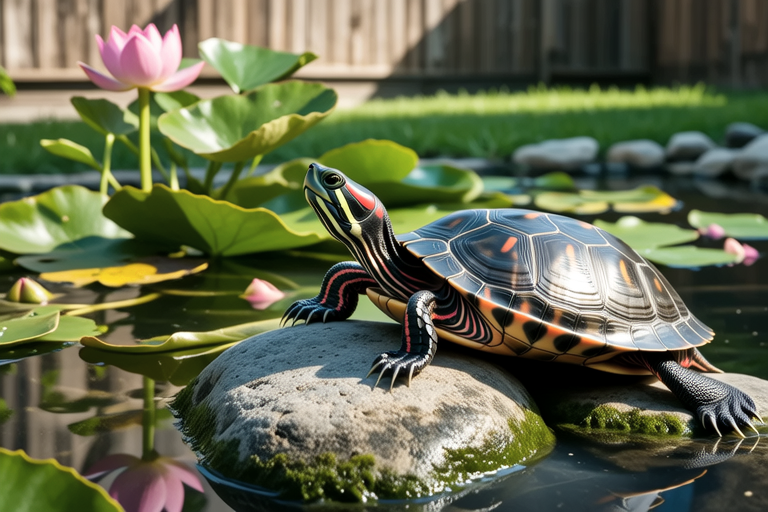
Transforming Your Backyard Pond into a Perfect Habitat for Red-Eared Sliders
Welcome to the world of turtle-keeping! If you’re considering creating a backyard pond for red-eared sliders, you’re embarking on an exciting journey that can bring joy and relaxation to your outdoor space. This comprehensive guide will help you transform your backyard pond into an ideal habitat for these delightful reptiles. We’ll cover everything from water quality to basking areas, ensuring your pond is a thriving environment where red-eared sliders can live happily and healthily.
The Importance of Legal Considerations and Ethical Care
Before diving into the specifics of pond creation, it’s crucial to understand the legal and ethical aspects of keeping red-eared sliders. In many regions, there are regulations governing the release or relocation of these turtles due to their potential impact on native species. Always check local laws and obtain any necessary permits. Additionally, consider the ethical implications: wild-caught turtles may carry parasites or diseases, and releasing captive-bred ones back into the wild could disrupt ecosystems. Instead, focus on creating a sustainable and enriching environment within your backyard.
Essential Water Quality Parameters
Water quality is paramount for the health of red-eared sliders. Ideal parameters include:
- pH Level: Maintain between 6.5 and 8.0.
- Temperature: Aim for a range of 75°F to 80°F (24°C to 27°C).
- Ammonia and Nitrite Levels: Both should be undetectable.
- Nitrate Levels: Keep below 40 ppm.
- Oxygenation: Ensure sufficient aeration to maintain high oxygen levels.
Regular testing and maintenance are key to maintaining these conditions. Use water test kits available at pet stores to monitor parameters regularly.
Suitable Diet Options
Red-eared sliders are omnivores with dietary needs that change as they grow. Juveniles require more protein, while adults need a balanced diet rich in vegetables and fruits. A typical diet includes:
- Insects: Crickets, mealworms, and earthworms.
- Fish: Minnows, guppies, and goldfish.
- Vegetables: Leafy greens like romaine lettuce and kale.
- Fruits: Small amounts of berries and melons.
- Commercial Pellets: High-quality turtle pellets provide balanced nutrition.
Feed them daily, offering just enough food they can consume within 15 minutes. Remove uneaten food promptly to prevent contamination.
Pond Size and Depth
Proper pond size and depth are critical for the well-being of red-eared sliders. The pond should be at least 10 feet by 10 feet (3 meters by 3 meters) for two adult turtles. Depth varies based on location:
- Shallow Areas: 6 inches (15 cm) deep for basking.
- Deep Areas: 18 to 24 inches (45 to 60 cm) deep for swimming and diving.
Adequate depth ensures turtles can fully submerge and regulate their body temperature effectively. Consider adding ramps or sloping sides to facilitate easy entry and exit from the water.
Appropriate Basking Areas
Basking is essential for red-eared sliders’ health, aiding digestion and promoting shell growth. Provide a basking area that meets the following criteria:
- Size: At least 2 square feet (0.19 square meters) per turtle.
- Position: Located above the water level and exposed to direct sunlight.
- Surface: Flat and dry, with smooth stones or wood for comfort.
- Heat Source: A heat lamp or UVB light to simulate natural sunlight.
Ensure the basking area remains dry and warm throughout the day, encouraging turtles to bask regularly.
Recommended Plants for Oxygen and Shelter
Plants play a vital role in maintaining water quality and providing hiding spots for turtles. Suitable aquatic plants include:
- Water Hyacinth: Floats on the surface, offering shade and protection.
- Eelgrass: Provides oxygen and serves as a breeding ground for insects.
- Water Lilies: Beautiful and functional, they offer both shade and food.
- Cattails: Create dense vegetation that shelters young turtles from predators.
Plant these around the edges of the pond to create a naturalistic setting that mimics their natural habitats.
Tips for Maintaining a Healthy Environment
Maintaining a healthy pond environment requires ongoing effort. Here are some tips:
- Regular Cleaning: Clean debris and dead plant matter weekly to prevent algae growth.
- Filter Maintenance: Replace filters every 3 to 6 months to ensure optimal water circulation.
- Water Changes: Perform partial water changes monthly to maintain water quality.
- Predator Prevention: Install barriers like fences or netting to keep out raccoons, herons, and other predators.
- Disease Management: Quarantine new turtles and monitor for signs of illness, such as lethargy or abnormal behavior.
By following these guidelines, you’ll create a robust ecosystem where red-eared sliders can thrive.
Conclusion
Creating a backyard pond for red-eared sliders is a rewarding endeavor that combines nature appreciation with responsible pet ownership. By understanding and implementing the principles outlined in this guide, you can provide a safe, healthy, and enriching habitat for these fascinating creatures. Remember to prioritize legal compliance and ethical care, ensuring that your backyard pond not only enhances your property but also contributes positively to the well-being of its inhabitants.
