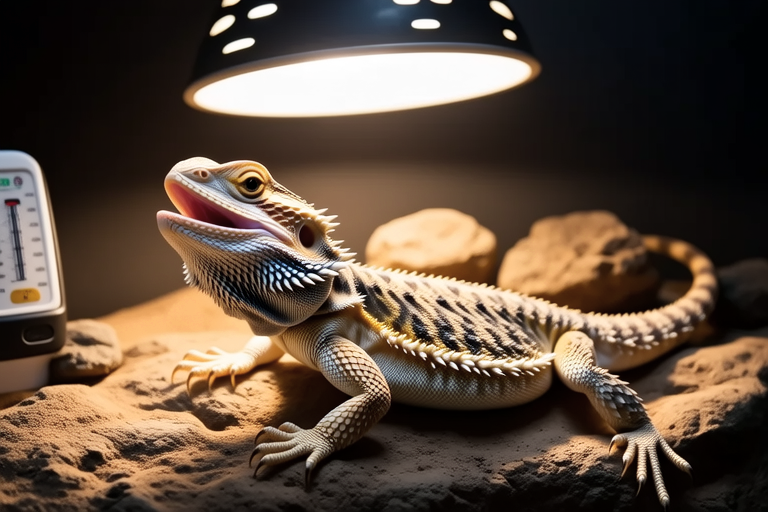
5 Myths Debunked About Bearded Dragon Care
Welcome to an informative journey into the world of bearded dragon care. As one of the most popular reptile pets, bearded dragons come with a plethora of misconceptions that can lead to improper care and potentially harmful practices. Separating fact from fiction is crucial for ensuring your bearded dragon’s health and well-being. This article aims to dispel five common myths surrounding bearded dragon care, offering you the knowledge necessary to provide your scaly friend with the best possible life.
Myth 1: Bearded Dragons Can Survive on a Diet of Crickets Alone
One of the most prevalent myths about bearded dragon care is that they can thrive solely on a diet of crickets. While crickets are an important part of their diet, they are not sufficient to meet all of a bearded dragon’s nutritional needs.
Debunking the Myth: Bearded dragons are omnivores, meaning they need both plant matter and animal protein in their diet. A balanced diet includes leafy greens, vegetables, fruits, and insects. Over-reliance on crickets can lead to deficiencies in essential vitamins and minerals, particularly calcium and vitamin D3, which are vital for bone health. Without these nutrients, bearded dragons can develop metabolic bone disease (MBD), a condition that weakens bones and can cause deformities and fractures.
Accurate Information: To ensure a balanced diet, offer a variety of foods. Leafy greens like collard greens, mustard greens, and dandelion greens should make up the bulk of the vegetable portion of their diet. Vegetables such as carrots, bell peppers, and squash can be included in smaller quantities. Fruits should be given sparingly due to their high sugar content. Insects like dubia roaches, superworms, and silkworms can also be offered occasionally for protein. Dusting insects with a calcium and vitamin D3 supplement before feeding them to your bearded dragon is recommended.
Myth 2: Bearded Dragons Need Frequent Handling to Stay Calm
Another misconception is that frequent handling is necessary to keep bearded dragons calm and socialized. While interaction is beneficial, excessive handling can have negative effects on your pet.
Debunking the Myth: Bearded dragons are solitary animals by nature and prefer not to be handled too often. Excessive handling can cause stress and anxiety, leading to behavioral changes such as aggression or refusal to eat. It’s important to respect their boundaries and understand that they may not always want to interact with humans.
Accurate Information: It’s best to handle your bearded dragon gently and infrequently, allowing them time to rest and feel secure in their environment. Start by getting them used to your presence by sitting near their enclosure and speaking softly. Gradually introduce gentle handling sessions, but never force interaction. Always support their body when holding them, especially around the belly area, to prevent injury.
Myth 3: Bearded Dragons Don’t Require UVB Lighting
Many owners believe that bearded dragons don’t need UVB lighting because they are often seen basking under heat lamps. However, this belief can be detrimental to their health.
Debunking the Myth: UVB light is essential for bearded dragons to synthesize vitamin D3, which aids in calcium absorption. Without adequate UVB exposure, they cannot properly metabolize calcium, leading to metabolic bone disease (MBD). Heat lamps alone do not provide the necessary UVB rays, so relying solely on them for warmth can result in serious health issues.
Accurate Information: Provide a full-spectrum UVB light specifically designed for reptiles. The light should cover at least 50% of the enclosure and be positioned within 12 inches of where the bearded dragon spends most of its time basking. Replace the bulb every six months, even if it still appears to be working, as UVB output diminishes over time. Ensure there is an appropriate balance between basking areas and cooler areas within the enclosure to allow your bearded dragon to regulate its temperature effectively.
Myth 4: Bearded Dragons Can Drink Tap Water
It’s commonly thought that bearded dragons can drink tap water, but this isn’t always true depending on the water source.
Debunking the Myth: Some municipal tap waters contain chlorine, fluoride, and other chemicals that can be harmful to bearded dragons if consumed in large quantities. These substances can cause digestive issues and affect overall health. Additionally, the hardness of the water can impact calcium levels in the dragon’s system.
Accurate Information: To avoid potential health risks, it’s best to provide filtered or bottled spring water for your bearded dragon. You can also use distilled water, though it lacks essential minerals. Make sure the water dish is shallow enough for your dragon to reach easily without risk of drowning. Change the water daily to maintain cleanliness and prevent bacterial growth.
Myth 5: Bearded Dragons Don’t Need a Humidity Level
Some people mistakenly assume that bearded dragons do not require any specific humidity level since they originate from arid environments.
Debunking the Myth: While bearded dragons are adapted to dry climates, they still need some humidity to maintain healthy skin and aid in shedding. Extremely low humidity can lead to respiratory infections and difficulties in shedding, while overly high humidity can encourage mold growth and create damp conditions conducive to bacterial infections.
Accurate Information: Maintain a humidity level between 30% and 40%. This can be achieved through regular misting, using a humidifier, or placing a water dish in the enclosure. Monitor humidity levels with a hygrometer and adjust as needed. Ensure proper ventilation to prevent stagnant air and promote good air circulation.
Tips for Proper Bearded Dragon Care Based on Debunked Myths
- Provide a varied diet rich in leafy greens, vegetables, fruits, and insects dusted with calcium and vitamin D3 supplements.
- Handle your bearded dragon gently and infrequently, respecting their need for solitude.
- Install a full-spectrum UVB light to ensure proper vitamin D3 synthesis and calcium absorption.
- Offer filtered or bottled spring water in a shallow dish and change it daily.
- Maintain optimal humidity levels between 30% and 40% to support healthy skin and shedding.
Conclusion
In conclusion, understanding the truth behind common myths about bearded dragon care is essential for responsible pet ownership. By providing a balanced diet, appropriate handling, suitable lighting, clean drinking water, and controlled humidity, you can ensure your bearded dragon leads a happy and healthy life. Remember, each bearded dragon is unique, so observe their behavior and adjust care accordingly. With the right knowledge and dedication, you can become an excellent caretaker for your scaly companion.
