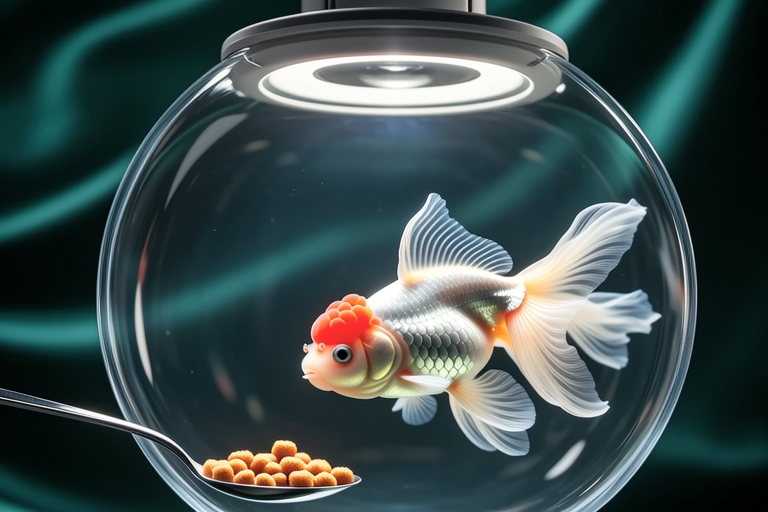
The Ultimate Guide to Feeding Your Goldfish Like a Pro!
Welcome to the ultimate guide to feeding your goldfish like a pro! Whether you’re a seasoned fish keeper or a first-time owner, this comprehensive guide will provide you with all the essential information you need to ensure your goldfish remains healthy and happy. From understanding their dietary needs to maintaining proper water quality, we’ll cover everything you need to know about feeding your goldfish.
Understanding Goldfish Dietary Needs
Goldfish are omnivorous creatures, which means they require a balanced diet that includes both plant-based and animal-based foods. Their natural diet consists of small insects, algae, and aquatic plants found in their natural habitats. As pet owners, it’s crucial to replicate this diet as closely as possible to ensure your goldfish receives all the necessary nutrients.
Protein is an essential component of a goldfish’s diet, helping them grow and maintain muscle mass. However, too much protein can lead to health issues such as swim bladder disorders. Therefore, it’s important to find a balance between protein-rich foods and those containing carbohydrates and fiber.
Types of Food Suitable for Goldfish
There are various types of food available for goldfish, each offering different benefits. Here’s a breakdown of some common options:
- Dry Pellets: These are the most popular choice among goldfish owners. They are nutritionally balanced and come in different sizes to suit the varying sizes of goldfish. Look for pellets that are high in protein and low in fat.
- Frozen Foods: Frozen bloodworms, brine shrimp, and daphnia are excellent sources of protein. They also help stimulate your goldfish’s natural hunting instincts. However, these should be fed sparingly, as they can contribute to excess waste in the tank.
- Live Foods: While live foods like daphnia, brine shrimp, and tubifex worms are nutritious, they can introduce parasites into the tank. It’s generally safer to stick to frozen alternatives.
- Vegetables: Goldfish enjoy a variety of vegetables, including blanched peas, zucchini, and spinach. These provide essential vitamins and minerals and aid in digestion.
- Spirulina Tablets: These are particularly beneficial for enhancing the coloration of your goldfish. They also promote overall health and vitality.
Feeding Schedules
Establishing a consistent feeding schedule is crucial for the well-being of your goldfish. Most experts recommend feeding your goldfish two to three times a day. However, the frequency may vary depending on the age and size of your fish. Younger and smaller goldfish may require more frequent feedings, while adult goldfish can be fed less frequently.
It’s important to note that goldfish have small stomachs and can only consume a limited amount of food at once. Overfeeding can lead to health problems, so it’s best to offer small portions during each feeding session.
Portion Control
Portion control is one of the most critical aspects of goldfish care. Overfeeding can lead to obesity, swim bladder issues, and poor water quality. The general rule of thumb is to feed your goldfish only what they can consume within a couple of minutes. Any uneaten food should be removed from the tank promptly to prevent contamination of the water.
To ensure proper portion control, consider the following tips:
- Weigh the food before feeding to get an accurate measurement.
- Monitor your goldfish’s eating habits and adjust the portion size accordingly.
- Use a feeding ring or plate to keep uneaten food contained and easier to remove.
The Importance of Water Quality
Maintaining optimal water quality is essential for the health of your goldfish. Poor water conditions can lead to stress, disease, and even death. Overfeeding contributes significantly to poor water quality because uneaten food decomposes, releasing harmful substances into the water. To maintain good water quality, perform regular water changes and invest in a reliable filtration system.
Additionally, make sure to monitor the water parameters, such as ammonia, nitrite, and nitrate levels, to ensure they remain within safe limits. Regular water testing can help you catch any potential issues early and take corrective action.
Signs of Overfeeding
Recognizing the signs of overfeeding is crucial for preventing health issues in your goldfish. Some common indicators include:
- Bloating: This occurs when your goldfish consumes more food than it can digest.
- Swim Bladder Problems: Excessive feeding can cause swim bladder disorders, leading to difficulty swimming or floating upside down.
- Poor Water Quality: Uneaten food leads to increased ammonia and nitrite levels, which can be toxic to your goldfish.
- Lethargy: Overfed goldfish may become sluggish and less active.
If you notice any of these signs, reduce the amount of food you’re giving your goldfish and increase the frequency of water changes.
Tips for Keeping Goldfish Healthy Through Diet
Here are some additional tips to help you keep your goldfish healthy and thriving:
- Variety is Key: Offer a diverse diet to ensure your goldfish receives all the necessary nutrients. Rotate between different types of food to prevent boredom and promote healthy eating habits.
- Gradual Introductions: When introducing new foods, do so gradually to allow your goldfish’s digestive system to adapt. Start by mixing a small amount of the new food with their usual diet and gradually increase the proportion over time.
- Temperature Considerations: Goldfish are coldwater fish and thrive in cooler temperatures. Be cautious when feeding them during colder periods, as their metabolism slows down, and they may require less food.
- Supplements: In addition to their regular diet, you can supplement your goldfish’s meals with vitamin C and other essential nutrients. However, always consult with a veterinarian before adding supplements to your goldfish’s diet.
- Observation: Keep a close eye on your goldfish’s behavior and appearance. Healthy goldfish are active, vibrant, and show no signs of distress. If you notice any unusual behavior or physical changes, consult a veterinarian immediately.
Conclusion
Feeding your goldfish properly is one of the most important aspects of their care. By understanding their dietary needs, choosing the right types of food, establishing a consistent feeding schedule, practicing portion control, maintaining good water quality, and recognizing the signs of overfeeding, you can ensure your goldfish lives a long and healthy life. With the tips provided in this guide, you’ll be well-equipped to take great care of your goldfish and provide them with the nourishment they need to thrive.
