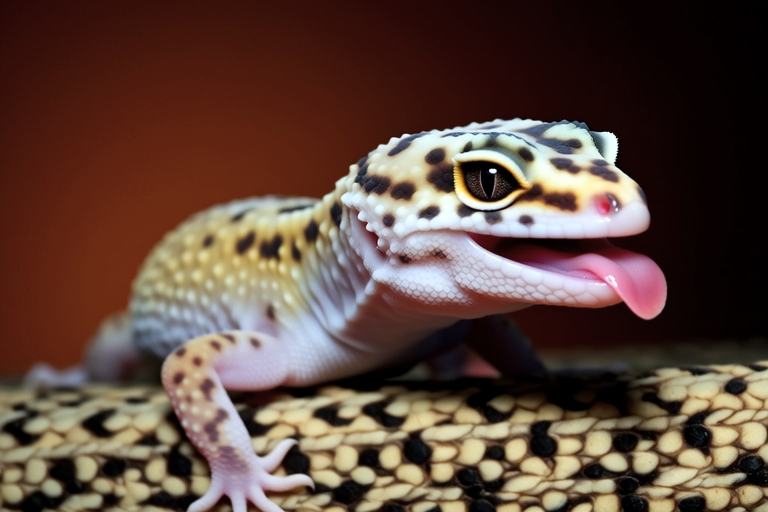
How to Care for Your Leopard Gecko Like a Pro: A Complete Guide
Welcome to your ultimate guide on how to care for your leopard gecko like a pro! Whether you’re a first-time owner or have been around the block with these delightful reptiles, this comprehensive guide will provide you with all the information you need to ensure your leopard gecko lives a happy, healthy life. Let’s dive into the essentials of leopard gecko care, covering everything from habitat setup to handling instructions.
Habitat Setup
The first step in caring for your leopard gecko is setting up a proper habitat. Leopard geckos require a tank that mimics their natural environment, providing them with the right balance of warmth, security, and space.
Tank Size: For a single adult leopard gecko, a 10-gallon tank is sufficient. However, if you plan to house multiple geckos, a larger tank is recommended to allow adequate space for each one.
Substrate: Avoid using sand as substrate due to the risk of impaction. Instead, opt for reptile carpet, paper towels, or specially designed gecko bedding.
Hiding Spots: Leopard geckos love to hide. Provide several hiding spots made from cork bark, half logs, or commercial reptile hides.
Decorations: Add plants, rocks, and branches to create a stimulating environment. Ensure all decorations are securely placed to prevent injuries.
Temperature and Lighting Requirements
Maintaining the correct temperature gradient within your leopard gecko’s enclosure is crucial for their overall well-being. Leopard geckos are ectothermic, meaning they rely on external sources to regulate their body temperature.
Daytime Temperatures: Aim for a warm side of 88-90°F (31-32°C) and a cool side of 75-80°F (24-27°C).
Nighttime Temperatures: Leopard geckos can tolerate cooler nighttime temperatures, but aim to keep it above 65°F (18°C).
Basking Spot: Provide a basking spot on the warm side of the tank with a heat lamp or ceramic heater. Ensure the temperature at this spot reaches about 90°F (32°C).
Humidity: Leopard geckos thrive in a relatively dry environment. Maintain humidity levels between 30% and 40%. Use a hygrometer to monitor humidity levels and adjust accordingly.
Lighting: Leopard geckos don’t require UVB lighting, but providing a low-level light during the day can help simulate natural daylight cycles. Always use a timer to ensure a consistent 12-hour cycle.
Feeding Guidelines
Proper nutrition is vital for the health and longevity of your leopard gecko. These geckos are insectivores, meaning their diet consists mainly of insects.
Insects: Feed your gecko a variety of insects such as crickets, dubia roaches, mealworms, and waxworms. Avoid feeding wild-caught insects, as they may carry parasites.
Dusting: Dust insects with calcium and vitamin D3 supplements twice weekly. This helps prevent metabolic bone disease and ensures your gecko gets necessary nutrients.
Feeding Frequency: Feed hatchlings daily, juveniles every other day, and adults every 2-3 days. Adjust feeding based on your gecko’s activity level and weight.
Variety: Introduce different types of insects to ensure a balanced diet. Consider offering treats like pinkie mice to adult geckos for extra protein.
Hydration Methods
Leopard geckos obtain most of their moisture from their food, but ensuring they have access to water is still important.
Water Bowl: Place a shallow dish of clean water in the cool side of the tank. Change the water daily to maintain hygiene.
Misting: Lightly mist the enclosure once or twice a week to increase humidity and provide a source of drinking water. Be sure to let the enclosure dry out completely before misting again.
Behavioral Indicators: Watch for signs of dehydration, such as sunken eyes or lethargy. If you notice any of these symptoms, consult a veterinarian immediately.
Health Care Tips
Regular check-ups and proactive care are key to keeping your leopard gecko healthy.
Regular Vet Visits: Schedule annual check-ups with a reptile-savvy veterinarian. They can perform routine exams and catch potential issues early.
Grooming: Clean your gecko’s enclosure weekly to remove waste and debris. Regular cleaning helps prevent bacterial growth and keeps your gecko’s environment fresh.
Monitoring Behavior: Pay attention to changes in behavior, appetite, or physical appearance. Early detection of health issues can lead to better outcomes.
Quarantine: If introducing a new gecko to your collection, quarantine them for at least 30 days to prevent the spread of diseases.
Handling Instructions
Handling your leopard gecko gently and correctly is essential for maintaining their trust and preventing stress.
Approach: Gently scoop your gecko up from underneath, supporting its entire body. Avoid grabbing by the tail, as it can detach as a defense mechanism.
Duration: Limit handling sessions to 10-15 minutes per day. Frequent handling can cause stress, especially for younger geckos.
Environment: Handle your gecko in a safe, enclosed area away from pets or children. Leopard geckos are prey animals and may become stressed in unfamiliar environments.
Patience: Some geckos may be more skittish than others. Take time to build trust through gentle interactions and positive reinforcement.
Common Mistakes to Avoid
Even experienced owners can make mistakes when caring for their leopard geckos. Here are some common pitfalls to watch out for:
Improper Temperature: Failing to maintain the correct temperature gradient can lead to health issues. Invest in reliable thermometers and adjust heating elements as needed.
Overfeeding: Feeding too many insects can lead to obesity and related health problems. Stick to the recommended feeding schedule and portion sizes.
Poor Hygiene: Neglecting regular cleaning of the enclosure can result in bacterial or fungal infections. Clean the tank at least once a week and replace substrate as needed.
Lack of Variety: Offering only one type of insect can lead to nutritional deficiencies. Vary the diet to ensure your gecko receives all necessary nutrients.
Inadequate Hiding Spots: Not providing enough hiding spots can cause stress. Leopard geckos need multiple secure places to feel safe.
Caring for a leopard gecko is a rewarding experience that requires dedication and attention to detail. By following the guidelines outlined in this comprehensive guide, you’ll be well-equipped to provide your gecko with the best possible care. Remember, every gecko is unique, so take the time to understand your pet’s individual needs and preferences. With love, patience, and proper care, your leopard gecko will thrive in its home.
