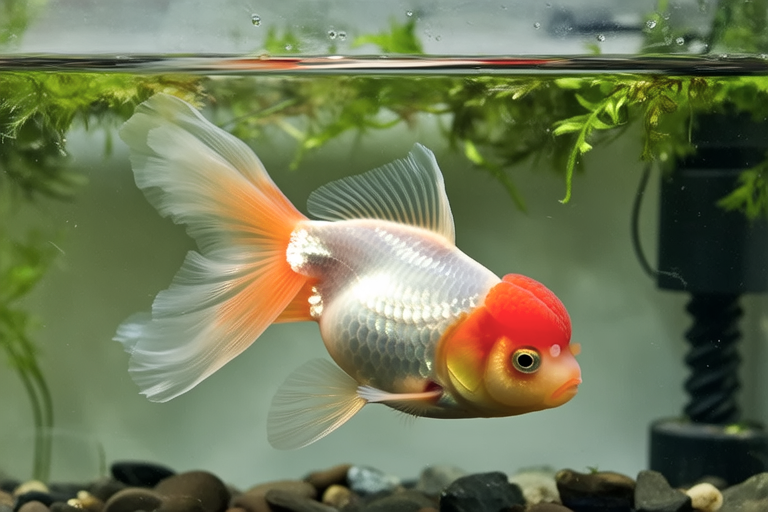
From Bowl to Tank: The Ultimate Guide to Goldfish Care
Welcome to the world of goldfish care! One of the most common misconceptions about goldfish is that they can thrive in small bowls. While these charming fish are often sold in tiny containers at pet stores or even as party favors, they are actually quite large and require ample space to live comfortably and healthily. This guide will walk you through the essential steps for setting up a proper tank, maintaining optimal water conditions, and ensuring your goldfish live long, happy lives.
Selecting the Right Tank Size
The first step in providing excellent care for your goldfish is choosing the right tank. A common mistake is underestimating the space a goldfish needs. For one goldfish, a minimum tank size of 20 gallons is recommended. Each additional goldfish requires an extra 10 gallons. Larger tanks provide more room for swimming and help dilute waste, making it easier to maintain water quality.
Water Quality Maintenance
Water quality is paramount to goldfish health. Regular water changes—about 10-20% weekly—are necessary to keep ammonia, nitrite, and nitrate levels low. Invest in a reliable water testing kit to monitor these parameters. Always use a dechlorinator when adding new water to neutralize harmful chemicals.
Filtration Systems
An efficient filtration system is crucial for maintaining clean water. Choose a filter rated for a tank twice the size of your aquarium. Filters should provide mechanical, biological, and chemical filtration. Mechanical filtration removes debris, biological filtration supports beneficial bacteria that convert harmful compounds, and chemical filtration helps absorb impurities.
Temperature Control
Goldfish are coldwater fish, preferring temperatures between 68°F and 74°F (20°C – 23°C). Avoid drastic temperature fluctuations, which can stress your fish. If your home tends to get colder, consider a heater to maintain consistent temperatures.
Suitable Substrate and Decorations
The substrate you choose should be easy to clean and safe for your fish. Gravel or sand works well. Avoid substrates with sharp edges that could injure your goldfish. Decorations should provide hiding spots and stimulate exploration. Plants, rocks, and caves are excellent additions, but ensure they are non-toxic and securely placed.
Dietary Needs and Feeding Schedules
Goldfish are omnivores and need a balanced diet. Offer high-quality flake food, pellets, and occasional treats like blanched vegetables or freeze-dried bloodworms. Feed them small amounts twice daily, removing any uneaten food after five minutes to prevent water pollution.
Signs of a Healthy Goldfish
A healthy goldfish will have clear eyes, vibrant colors, and smooth fins. They should swim actively and eat eagerly. Regularly observe your fish for any unusual behavior or physical changes that might indicate illness.
Common Health Issues and Preventive Measures
Goldfish are prone to various ailments such as fin rot, ich, and swim bladder disorders. To prevent these, maintain pristine water conditions and quarantine new fish before introducing them to the main tank. If you notice signs of illness, consult a veterinarian specializing in aquatic animals for diagnosis and treatment.
Creating a Stimulating Environment for Behavioral Enrichment
To keep your goldfish mentally and physically stimulated, create an enriching environment. Introduce toys like floating objects or sinking balls. Rotate decorations periodically to encourage exploration. Consider adding companions if space allows; however, ensure compatibility to avoid aggression.
