Hotot Rabbits: A Comprehensive Guide
The Hotot is a captivating breed of domestic rabbit known for its striking black-and-white markings. These rabbits are distinguished by their eye-catching appearance, gentle temperament, and specific care requirements. In this article, we will delve into the details of the Hotot rabbit, exploring their history, physical characteristics, behavior, dietary needs, and health considerations. We will also provide valuable tips for those considering adding a Hotot rabbit to their family.
Physical Appearance and Size
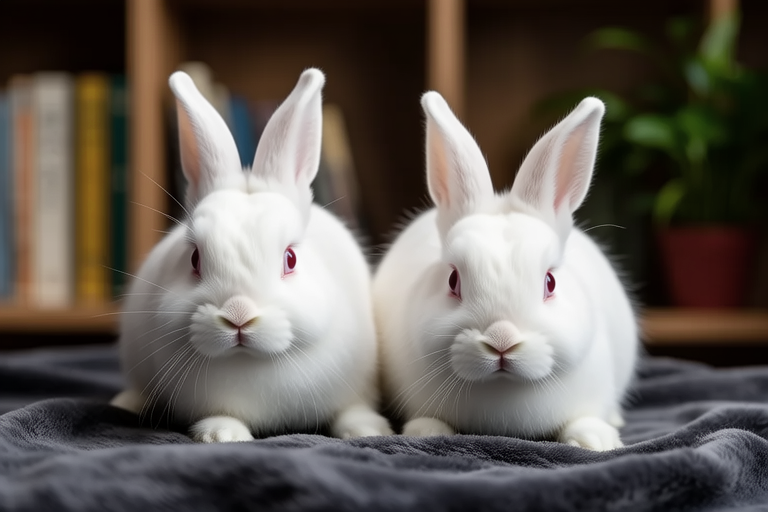
The Hotot rabbit is a medium-sized breed, typically weighing between 3.6 to 4.5 kilograms (8 to 10 pounds). They have a robust, compact body with a well-rounded shape, giving them an elegant and dignified presence. Their most distinctive feature is their stunning black-and-white coat pattern, which sets them apart from other rabbit breeds.
The Hotot’s fur is short and dense, providing excellent insulation against cold weather. The majority of their body is covered in pure white fur, with the exception of their eyes, ears, and a narrow band that runs along the top of their head, down their spine, and around their front paws. This band is a rich, jet-black color, creating a striking contrast against their white background. The eyes are encircled by a ring of black fur, which gives the impression that they are wearing mascara or eyeliner, adding to their unique and attractive appearance.
Their eyes are large and expressive, typically ranging in color from dark brown to black. This eye color complements their black facial markings, enhancing their distinctiveness. The ears of the Hotot are long and erect, contributing to their alert and attentive demeanor. Their feet are also white, adding to their overall clean and polished look.
Temperament and Behavior
Hotot rabbits are known for their calm and gentle nature, making them excellent pets for families and individuals alike. They are generally docile and easygoing, rarely displaying aggressive behavior. However, like all animals, their temperament can be influenced by early socialization and handling.
These rabbits enjoy human interaction and often form strong bonds with their owners. They are curious and playful, often engaging in activities such as digging, nibbling, and exploring their surroundings. Providing them with appropriate toys and playtime can help keep them mentally stimulated and physically active.
Hotot rabbits are intelligent and can be trained to perform simple tasks, such as coming when called or using a litter box. Early training and positive reinforcement techniques are effective in shaping their behavior and reinforcing desirable habits.
Care Requirements
Proper care is essential for ensuring the health and well-being of your Hotot rabbit. Here are some key aspects to consider:
Housing
Hotot rabbits require a spacious and secure living environment. A large cage or enclosure with ample space for movement and exploration is ideal. The enclosure should be equipped with a solid floor to prevent injury from wire flooring and should be placed in a quiet area away from drafts and direct sunlight.
Provide your Hotot with plenty of bedding material, such as hay or straw, to create a comfortable resting area. Ensure that the bedding is kept clean and dry to prevent the development of respiratory issues. Additionally, include a hiding place, such as a cardboard box or tunnel, to give your rabbit a sense of security and privacy.
Grooming
The short, dense fur of the Hotot requires minimal grooming. Regular brushing with a soft-bristled brush can help remove loose hairs and distribute natural oils throughout the coat. During shedding season, more frequent brushing may be necessary to prevent matting and hairballs.
Bathing is generally not recommended for Hotot rabbits, as it can strip their skin of essential oils and lead to discomfort. Instead, focus on keeping their living area clean and providing regular access to fresh, clean water.
Dietary Needs
A balanced diet is crucial for maintaining the health and vitality of your Hotot rabbit. Their diet should consist primarily of high-quality hay, which provides essential fiber for digestive health. Fresh vegetables, such as leafy greens, carrots, and bell peppers, can be offered in moderation to supplement their diet and provide variety.
Commercial rabbit pellets can be provided in limited quantities to ensure they receive necessary nutrients. However, it is important to avoid overfeeding pellets, as excessive consumption can lead to obesity and other health issues. Fresh water should always be available and changed regularly to maintain optimal hydration.
History and Origin
The Hotot rabbit breed originated in France in the early 20th century. It was developed by Eugenie Bernhard, who aimed to create a rabbit with a distinctive black ring around its eyes. Through careful breeding and selection, she successfully produced the first Hotot rabbits in 1912.
The breed gained popularity in Europe and later spread to North America, where it became recognized by various rabbit clubs and organizations. Today, the Hotot rabbit is appreciated for its unique appearance and gentle temperament, making it a sought-after choice for both show enthusiasts and pet owners.
Tips for Potential Owners
If you’re considering adding a Hotot rabbit to your family, here are some tips to help you prepare:
- Research: Learn about the specific needs and behaviors of Hotot rabbits before bringing one home. Understanding their care requirements will help you provide the best possible environment for your new pet.
- Choose a reputable breeder: Select a breeder who prioritizes the health and well-being of their rabbits. Reputable breeders will provide documentation of vaccinations and health clearances.
- Create a safe environment: Ensure that your home is rabbit-proofed, removing any potential hazards such as toxic plants, electrical cords, and small objects that could be ingested.
- Spay or neuter: Spaying or neutering your Hotot rabbit can help prevent certain health issues and reduce unwanted behaviors such as spraying or aggression.
- Regular veterinary care: Schedule routine check-ups with a veterinarian who specializes in exotic animals to monitor your rabbit’s health and address any concerns promptly.
Common Health Issues
While Hotot rabbits are generally healthy, there are a few health issues to be aware of:
- Dental problems: Overgrown teeth can occur if the rabbit does not consume enough fibrous foods. Regular dental check-ups and a proper diet can help prevent this issue.
- Gastrointestinal stasis: This condition occurs when the rabbit’s digestive system slows down or stops functioning properly. Signs include decreased appetite, lethargy, and changes in fecal production. Prompt intervention and veterinary care are crucial in managing this condition.
- Skin issues: Hotot rabbits may be prone to skin allergies or irritation due to environmental factors or poor hygiene. Maintaining a clean living area and providing regular grooming can help prevent these issues.
- Ocular issues: Some Hotot rabbits may experience eye-related problems, such as conjunctivitis or corneal ulcers. Regular monitoring and prompt treatment are essential to ensure their ocular health.
Why Hotot Rabbits Make Excellent Companions
Hotot rabbits make excellent companions for the right household due to their unique appearance, gentle temperament, and specific care requirements. Their striking black-and-white markings and expressive eyes make them visually appealing and easily recognizable. Their calm and docile nature allows them to thrive in environments with children and other pets, as long as proper introductions and supervision are provided.
Hotot rabbits are intelligent and trainable, making them enjoyable to interact with and engage in various activities. Their playful and curious nature keeps them entertained and mentally stimulated, while their need for social interaction fosters strong bonds with their owners. With the right care and attention, Hotot rabbits can provide years of companionship and joy to their families.
