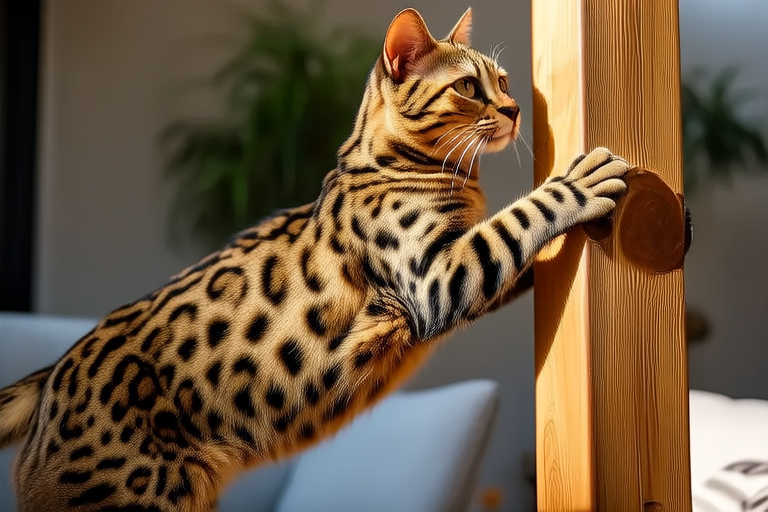
The Ultimate Guide to Owning a Playful and Enchanting Bengal Cat
Welcome to the world of Bengal cats, one of the most captivating and energetic feline companions you can have. These beautiful creatures are known for their striking appearance, which closely resembles that of a small wildcat, and their playful, engaging personalities. In this comprehensive guide, we will explore everything you need to know about owning a Bengal cat, from their origins and appearance to their dietary needs, grooming, and socialization.
Introduction: Unique Traits of Bengal Cats
Bengal cats are truly one-of-a-kind pets. They are descendants of domestic cats and Asian leopard cats, giving them a wild look with a friendly, affectionate nature. Their coats feature distinctive rosettes or marbled patterns, making them stand out in any crowd. This unique combination of appearance and personality makes them a favorite among cat enthusiasts.
Origins and Appearance
The Bengal cat’s story began in the mid-20th century when breeders crossed domestic cats with Asian leopard cats. The goal was to create a domesticated cat with the exotic appearance of its wild ancestor. Over time, through selective breeding, the Bengal cat emerged as a distinct breed. Today, Bengals are recognized by various cat registries and are cherished for their striking looks and charming personalities.
In terms of appearance, Bengal cats are medium to large-sized with a muscular build. Their coat is typically short and sleek, often featuring either a marbled or spotted pattern. These markings can range from light brown to dark black, depending on the individual cat. One of the most notable features of Bengal cats is their eyes, which are large, expressive, and usually a deep green or gold color. Their agility and grace add to their allure, making them appear almost like miniature leopards.
Personality and Temperament
Bengal cats are not just beautiful; they are also incredibly playful and intelligent. They are curious by nature, always eager to explore their surroundings and engage in activities. Bengals are known for their high energy levels, which means they require plenty of mental and physical stimulation to stay happy and healthy. Despite their wild appearance, Bengal cats are very affectionate and enjoy spending time with their human companions.
They thrive on interaction and can form strong bonds with their owners. Bengals are also highly trainable, responding well to positive reinforcement techniques. This makes them excellent candidates for learning tricks or commands. However, it is important to note that Bengals are not lap cats; they prefer to be active and involved rather than lounging around.
Caring for Your Bengal Cat’s Health
Dietary Needs
A balanced diet is crucial for maintaining your Bengal cat’s health. High-quality commercial cat food, either wet or dry, is recommended. Look for products that list meat as the primary ingredient, avoiding those with excessive fillers or artificial additives. Some Bengal cats may benefit from a grain-free diet, as grains can sometimes cause digestive issues. Consult with your veterinarian to determine the best nutritional plan for your pet.
Exercise and Mental Stimulation
Bengals are naturally active and need plenty of opportunities to expend their energy. Providing them with toys, climbing structures, and interactive playtime is essential. Puzzle feeders can also help stimulate their minds while keeping them entertained. Regular play sessions will keep your Bengal cat physically fit and mentally engaged, reducing the risk of behavioral problems caused by boredom.
Grooming and Maintenance
Despite their short coats, Bengal cats still require regular grooming. Brushing your cat once or twice a week helps remove loose hair and distribute natural oils throughout the coat. This routine also provides an opportunity to check for any skin issues or parasites. Bathing is generally unnecessary unless your cat gets particularly dirty, but if you do bathe your Bengal, use a mild shampoo specifically designed for cats.
Training and Socialization
Training your Bengal cat can be a fun and rewarding experience. Positive reinforcement methods, such as treats and praise, work best. Start by teaching basic commands like ‘sit’ or ‘come,’ gradually moving on to more advanced tricks. Consistency and patience are key, as Bengals can be independent thinkers.
Socializing your Bengal cat from an early age is important for developing good behavior and ensuring they get along well with other animals and people. Introduce them to various environments and experiences, allowing them to become comfortable with new situations. This will make them more adaptable and less prone to anxiety in unfamiliar settings.
Suitable Environments and Safety Measures
Bengal cats are best suited for homes where they can roam freely and safely. A secure outdoor enclosure or a spacious indoor environment with plenty of vertical space for climbing is ideal. Make sure all windows and doors are properly sealed to prevent escapes. Additionally, consider installing safety gates to restrict access to certain areas of the house if necessary.
To ensure your Bengal cat remains safe at home, take precautions such as covering electrical outlets and securing cords to avoid chewing hazards. Keep toxic substances out of reach and provide non-toxic plants for them to enjoy. Regularly inspect your home for potential dangers and address any concerns promptly.
The Rewarding Experience of Owning a Bengal Cat
Owning a Bengal cat is a delightful and enriching experience. Their playful nature, striking appearance, and strong bond with their owners make them wonderful companions. While they do require extra attention and care due to their high energy levels and intelligence, the joy they bring into your life far outweighs the effort. With proper care, training, and socialization, you’ll have a loyal friend who will brighten every day.
Resources for Further Learning
If you’re interested in learning more about Bengal cats, there are numerous resources available. Books, online forums, and local cat clubs can provide valuable information and support. Don’t hesitate to reach out to experienced breeders or veterinarians for advice. The more you know about these amazing animals, the better equipped you’ll be to give them the love and care they deserve.
