Rajah Cichlid: The Hidden Gem of Freshwater Aquarists
The world of freshwater aquariums is vast and diverse, offering enthusiasts a plethora of options when it comes to choosing their next aquatic companion. Among these options, one species stands out as a true hidden gem: the Rajah cichlid (Apistogramma regani). This small but vibrant fish is often overlooked by novice aquarists due to its specific care requirements, yet it is cherished by experienced hobbyists for its unique characteristics and behaviors. In this article, we will explore the various aspects of the Rajah cichlid, from its striking appearance to its complex care needs, and explain why it is considered a must-have for serious freshwater enthusiasts.
Appearance and Identification
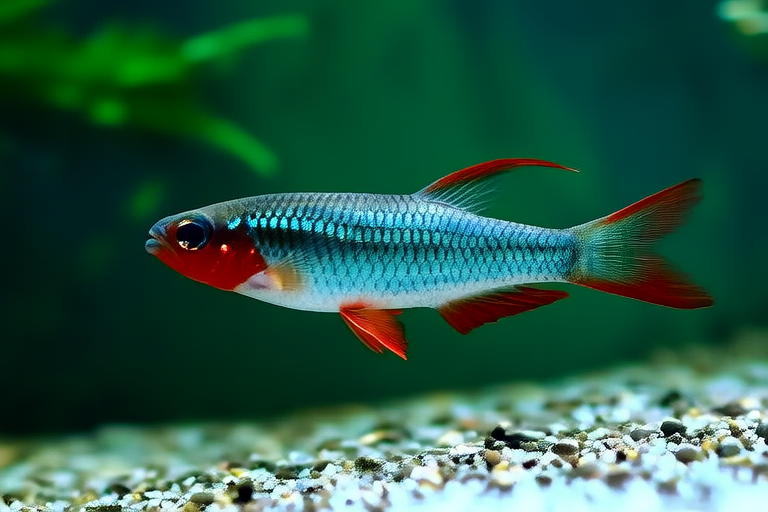
The Rajah cichlid is a small but eye-catching fish, typically reaching a maximum length of around 4 inches (10 cm). Males are more vibrantly colored than females, displaying an array of hues that range from bright reds and oranges to deep blues and greens. These colors are particularly pronounced during breeding periods, making them even more visually stunning. Females, on the other hand, tend to be less colorful, usually exhibiting a more subdued palette of browns and grays. Both sexes have a distinctive pattern of vertical stripes along their bodies, which serves as a form of camouflage in their natural habitat. Their eyes are large and expressive, adding to their overall appeal. Additionally, they possess elongated fins, particularly the dorsal and anal fins, which can extend dramatically in males during courtship displays.
Optimal Tank Conditions
Maintaining the right tank conditions is crucial for the well-being of Rajah cichlids. They thrive in environments that closely mimic their natural habitats, which are found in the Amazon River basin. To ensure their comfort and health, it is recommended to provide a tank with ample space, ideally at least 30 gallons (114 liters) for a group of five to six individuals. The water temperature should be maintained between 78°F and 82°F (25°C to 28°C), and the pH level should be kept within the range of 6.0 to 7.0, reflecting the slightly acidic waters of their native rivers. Water hardness should also be kept low, preferably below 10 dGH, to simulate the soft water conditions of the Amazon. Regular partial water changes are essential to maintain water quality, with 10-20% of the tank volume being replaced every week. Providing plenty of hiding spots, such as caves, driftwood, and dense plantings, is important for reducing stress and promoting natural behavior. These elements create a sense of security for the fish, encouraging them to display their full range of colors and behaviors.
Diet and Feeding
Feeding Rajah cichlids requires a balanced diet that caters to their nutritional needs. In the wild, they primarily feed on small invertebrates, insect larvae, and plant matter. In captivity, a high-quality flake or pellet food designed for cichlids can serve as a staple diet. However, to ensure optimal health and coloration, it is advisable to supplement their diet with live or frozen foods such as brine shrimp, bloodworms, and daphnia. These additions not only provide essential nutrients but also stimulate natural feeding behaviors. It is important to avoid overfeeding, as excess food can lead to poor water quality and potential health issues. Feeding once or twice daily, with small portions that the fish can consume within a few minutes, is generally sufficient. Additionally, providing a variety of food types helps to prevent boredom and ensures a well-rounded diet.
Compatibility with Other Fish
Due to their territorial nature, Rajah cichlids can be challenging to pair with other species. They are generally peaceful towards their own kind but may become aggressive towards smaller or similar-looking fish, especially during breeding periods. Therefore, it is best to house them with compatible species that share similar water parameters and temperament. Good tank mates include other small, peaceful cichlids, such as Apistogramma species, as well as non-aggressive bottom-dwelling fish like Corydoras catfish. It is important to avoid keeping them with larger or more aggressive species, as this can lead to stress and potential injuries. When introducing new fish to the tank, it is advisable to do so gradually and under careful observation to ensure compatibility.
Breeding Habits
Breeding Rajah cichlids can be both rewarding and challenging. They are substrate-spawning fish, meaning they lay their eggs on flat surfaces, such as rocks or leaves. Breeding pairs typically establish territories and prepare a suitable spawning site before laying their eggs. The female lays approximately 50 to 100 eggs, which are then fertilized by the male. Both parents take turns guarding the eggs, fanning them with their fins to ensure proper oxygenation and ward off potential threats. After approximately 48 hours, the eggs hatch, and the fry (young fish) remain attached to the substrate for several days until their yolk sacs are fully absorbed. During this time, the parents continue to protect the fry, ensuring their safety from any potential predators. Once the fry are free-swimming, they can be fed infusoria or newly hatched brine shrimp. Proper water conditions and a stable environment are crucial for successful breeding, as any sudden changes can stress the fish and potentially harm the offspring.
Common Health Issues
Like all fish, Rajah cichlids are susceptible to certain health issues, especially if their care requirements are not met. One common problem is Ichthyophthirius multifiliis, commonly known as ich, which manifests as tiny white spots on the fish’s body. This parasitic infection can be treated with commercial medications, but prevention through regular water changes and maintaining optimal water quality is key. Another issue is fin rot, which can occur if the water quality deteriorates or if the fish are stressed. This condition causes the fins to become ragged and discolored. Prompt treatment with antibiotics or anti-fungal medications is necessary to prevent further damage. Additionally, ensuring proper nutrition and avoiding overcrowding can help reduce the risk of health problems. Regular monitoring of water parameters and observing the fish for any signs of distress are essential practices for maintaining their well-being.
Why Rajah Cichlids Are Considered a Hidden Gem
Rajah cichlids are often referred to as a hidden gem in the world of freshwater aquarists because they offer a unique combination of beauty and challenge. While they may not be the easiest fish to care for, their vibrant colors, intriguing behaviors, and rewarding breeding habits make them highly desirable among enthusiasts. For novice aquarists, successfully keeping Rajah cichlids can be a significant accomplishment, as it requires attention to detail and a commitment to providing the right conditions. Experienced aquarists, on the other hand, appreciate the complexity and depth of caring for these fish, finding satisfaction in mastering their care and witnessing their natural behaviors. Despite the challenges, the rewards of keeping Rajah cichlids are immense, making them a true hidden gem in the freshwater aquarium hobby.
