From Fluffy Ears to Friendly Nature: What Makes Lop Rabbits Irresistible?
Welcome to the world of lop rabbits! These charming creatures have captured the hearts of many pet lovers with their distinctively long, floppy ears and their gentle, affectionate personalities. In this article, we will explore what makes lop rabbits so irresistible, from their unique physical attributes to their delightful temperaments. We’ll also provide valuable information on caring for these adorable pets, ensuring that you’re well-prepared if you’re considering bringing one into your home.
The Distinctive Floppy Ears
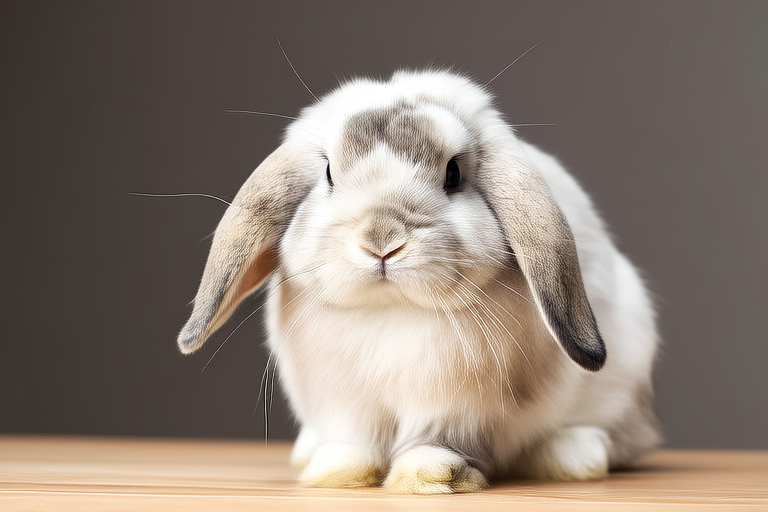
One of the most recognizable features of lop rabbits is their long, floppy ears. These ears are not just a matter of appearance; they serve important functions as well. The large surface area of the ears helps regulate the rabbit’s body temperature, acting as natural cooling devices. However, it’s their striking appearance that often draws people to these rabbits first. Imagine a pair of oversized, drooping ears framed by soft, fluffy fur – it’s no wonder lop rabbits are often described as having a whimsical, almost cartoon-like quality.
Varieties of Lop Rabbit Breeds
Lop rabbits come in several varieties, each with its own unique characteristics. The most common types include:
- English Lops: Known for having the longest ears among lop rabbits, these rabbits can have ears that measure up to 20 inches in length. Their large size makes them stand out in any setting.
- French Lops: A cross between English Lops and meat rabbits, French Lops are larger and heavier than English Lops, making them suitable for meat production as well as companionship.
- Miniature Lops: As the name suggests, Miniature Lops are smaller versions of the standard-sized lop rabbits. They are ideal for those who want a smaller, more manageable pet.
- Roman Lops: Originating from Italy, Roman Lops are known for their compact bodies and shorter, rounded ears.
Each breed has its own set of traits, but all share the common feature of those iconic floppy ears.
Grooming Needs of Lop Rabbits
Caring for lop rabbits involves regular grooming to keep their coats clean and healthy. Lop rabbits, like many other rabbit breeds, have short, dense fur that requires brushing at least once a week. This helps remove loose hair and prevent matting. During shedding seasons, which typically occur twice a year, more frequent grooming may be necessary.
In addition to brushing, lop rabbits need occasional nail trimming and dental check-ups. Their nails should be trimmed every few weeks, and their teeth should be checked regularly by a veterinarian to ensure they are not overgrown or misaligned.
Dietary Requirements
Proper nutrition is crucial for maintaining the health and well-being of lop rabbits. A balanced diet should consist primarily of hay, supplemented with fresh vegetables and a small amount of pellets. Timothy hay is a good choice for adult rabbits, while younger rabbits may benefit from alfalfa hay.
Vegetables such as carrots, broccoli, and spinach can be offered in moderation. It’s important to introduce new foods gradually to avoid digestive upset. Fresh water should always be available, and it’s a good idea to clean and refill water bottles daily.
Temperament Compared to Other Rabbit Breeds
Lop rabbits are known for their friendly and affectionate nature, making them excellent companions for families and individuals alike. They tend to be more relaxed and less skittish than some other rabbit breeds, which makes them easier to handle and bond with. Their calm demeanor also means they are generally better suited for households with children.
Compared to other rabbit breeds, lop rabbits are often more social and enjoy interacting with their human caregivers. They can be trained to use a litter box and even learn simple commands, further enhancing the bond between owner and pet.
Creating the Best Environment for Your Lop Rabbit
To ensure your lop rabbit thrives, it’s important to provide a safe, comfortable living space. A spacious cage or enclosure is essential, allowing the rabbit enough room to move around and stretch its legs. The cage should be lined with soft bedding, such as straw or shredded paper, and equipped with toys and chew items to keep the rabbit entertained.
Regular exercise is vital for lop rabbits, so it’s recommended to give them supervised time outside of their cage each day. A secure, rabbit-proofed area in your home or yard provides ample opportunity for exploration and play.
Tips for New Owners
If you’re thinking about adopting a lop rabbit, here are some tips to help you prepare:
- Research thoroughly: Learn as much as you can about lop rabbits before bringing one home. Understand their specific needs and challenges.
- Prepare your home: Ensure your home is rabbit-proofed, with no toxic plants or dangerous objects within reach.
- Choose the right supplies: Invest in high-quality food, bedding, and toys specifically designed for rabbits.
- Be patient: Building a strong bond with your lop rabbit takes time and patience. Spend quality time together each day to foster trust and affection.
With proper care and attention, your lop rabbit will bring years of joy and companionship to your family.
Conclusion
Lop rabbits are truly special animals, combining striking physical features with charming personalities that make them irresistible to many. From their distinctive floppy ears to their friendly, affectionate nature, these rabbits offer a unique and rewarding pet experience. By understanding their specific needs and providing the best possible care, you can ensure that your lop rabbit leads a happy, healthy life. Whether you’re a seasoned rabbit owner or considering your first pet, lop rabbits are sure to win your heart with their playful antics and unwavering loyalty.
