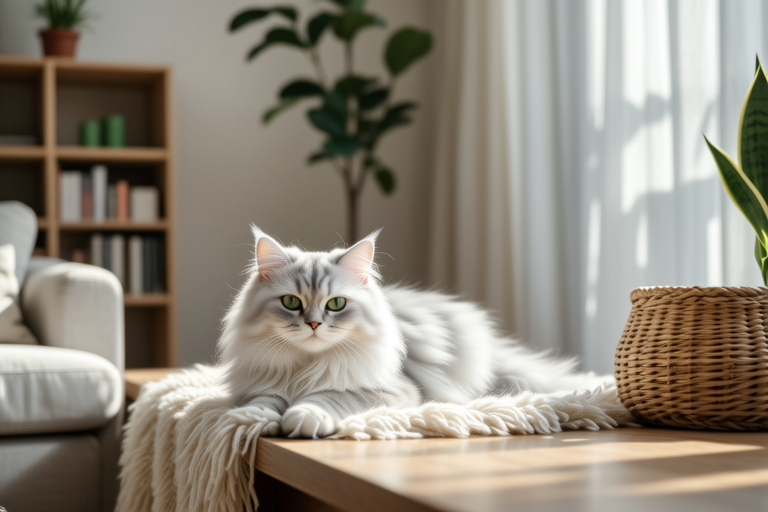
How to Make Your Home Persian Cat-Friendly
Welcome to the wonderful world of Persian cat ownership! These elegant and gentle creatures bring a unique charm to any home. However, to ensure they thrive, it’s important to make your living space as inviting and safe as possible. This guide will walk you through various aspects of creating a Persian cat-friendly environment, from furniture choices to temperature control and beyond.
Suitable Furniture Choices
Persian cats love soft, plush surfaces. Opt for furniture with thick, plush fabrics that provide comfort and warmth. Sofas and chairs made of microfiber or velvet are excellent choices. Avoid materials like leather or suede, which can be uncomfortable for their sensitive paws. Additionally, consider purchasing a cat bed with a high-quality cushion. Persian cats often enjoy elevated sleeping spots, so look for a bed with a raised edge or one that can be placed on a shelf or dresser.
Ideal Room Layouts for Safety and Comfort
When designing your living space, prioritize safety and comfort. Create a dedicated space for your Persian cat, ideally in a quiet corner of your home. This area should include a litter box, food and water bowls, and a cozy bed. Place these items away from drafts and direct sunlight to maintain a consistent temperature. Use baby gates or other barriers to restrict access to hazardous areas such as kitchens or rooms with toxic plants.
Proper Grooming Spaces
Persian cats require regular grooming due to their long, dense coats. Designate a grooming area near your living room or kitchen where you can easily reach tools and supplies. This area should have ample lighting and a comfortable surface for your cat. Consider placing a grooming table or a sturdy bench covered with a towel or blanket. Keep grooming tools like brushes, combs, and scissors within easy reach.
Temperature Control Recommendations
Persian cats prefer moderate temperatures. Maintain a consistent indoor climate between 68°F and 77°F (20°C and 25°C). Use air conditioning during hot summer months and a space heater if necessary during cold winters. Ensure there are no drafts in the room where your cat spends most of its time. Persian cats may also appreciate a heated bed or a warm spot near a window.
Dietary Considerations
Feed your Persian cat a high-quality diet tailored to their nutritional needs. Consult your veterinarian for specific recommendations based on your cat’s age, weight, and activity level. Provide fresh water at all times, and consider adding a water fountain to encourage drinking. Offer occasional treats in moderation to avoid obesity.
Interactive Play Areas
Promote physical and mental stimulation with interactive toys and play areas. Set up climbing structures, scratching posts, and tunnels to engage your cat’s natural instincts. Rotate toys regularly to keep them interested. Incorporate puzzle feeders or treat-dispensing toys to challenge their minds and prevent boredom. Interactive play sessions with you can also strengthen your bond and help manage anxiety.
Maintaining Cleanliness
Regular cleaning is essential for maintaining a healthy environment for your Persian cat. Vacuum carpets and furniture weekly to remove loose hair and dander. Clean litter boxes daily to prevent odors and bacteria buildup. Wash bedding and blankets frequently to eliminate allergens and keep your cat comfortable. Use pet-safe cleaners and avoid harsh chemicals that could irritate your cat’s sensitive skin.
Addressing Common Health Concerns
Persian cats are prone to certain health issues, including respiratory problems, dental disease, and urinary tract infections. Monitor your cat for signs of discomfort or illness, such as sneezing, coughing, difficulty breathing, or changes in eating habits. Schedule regular veterinary check-ups to address potential issues early. Brush your cat’s teeth regularly and provide dental chews to promote oral hygiene. Encourage regular exercise to support overall health.
Respiratory Problems
Persian cats are susceptible to upper respiratory infections due to their flat faces and narrow nasal passages. Symptoms may include sneezing, runny nose, and watery eyes. To minimize the risk, keep your home well-ventilated and avoid exposure to smoke or strong odors. If your cat shows signs of respiratory distress, consult your veterinarian immediately.
Dental Disease
Poor dental hygiene can lead to painful infections and tooth loss. Regular brushing and professional cleanings are crucial for maintaining oral health. Look for signs of dental disease, such as bad breath, swollen gums, or difficulty eating. Offer dental treats and chew toys to help reduce plaque and tartar buildup.
Urinary Tract Infections
Urinary tract infections are common in Persian cats, especially those who are overweight or sedentary. Symptoms may include frequent urination, straining to urinate, or blood in the urine. Encourage your cat to drink plenty of water and provide a balanced diet. If your cat exhibits signs of a urinary tract infection, seek veterinary care promptly.
Conclusion
Creating a Persian cat-friendly home involves thoughtful planning and attention to detail. By selecting appropriate furniture, arranging rooms for safety and comfort, providing proper grooming spaces, controlling temperature, offering nutritious diets, and promoting interactive play, you can ensure your Persian cat thrives. Regular cleaning and addressing common health concerns will further enhance their well-being. With these tips, you’ll be well on your way to providing your Persian cat with a loving and supportive environment.
