The Koi Chronicles: A Journey into the Heart of Japan’s Most Cherished Pets
In the serene waters of Japan, koi are more than just fish; they are symbols of beauty, resilience, and cultural heritage. Revered for centuries, these magnificent creatures have become synonymous with the country’s rich tapestry of traditions and artistry. This article embarks on a journey through the heart of Japan, exploring the profound significance of koi in Japanese culture, their fascinating history, the diversity of their types, and the symbolism that has made them enduring icons.
More Than Fish: The Significance of Koi in Japanese Culture
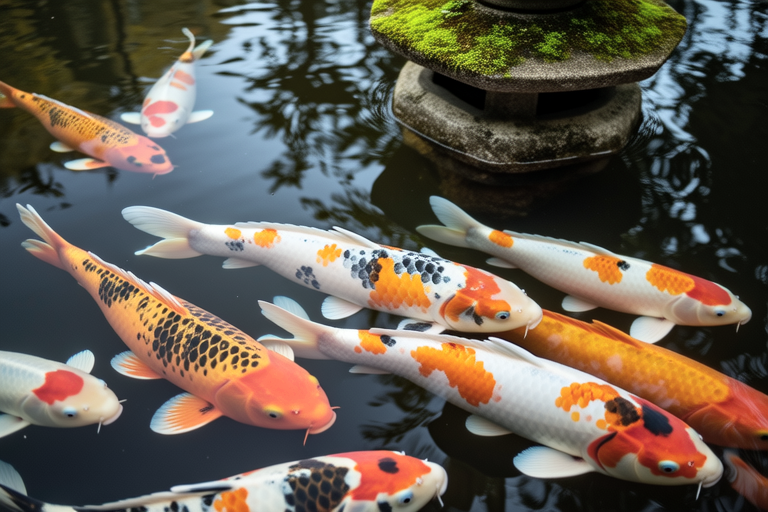
Koi, or Nishikigoi, are carp species that have been selectively bred for their vibrant colors and intricate patterns. In Japan, they are cherished not merely for their aesthetic appeal but also for the values they represent. Koi ponds are common features in traditional Japanese gardens, where they serve as tranquil focal points, embodying harmony and balance. The presence of koi in Japanese culture extends beyond mere aesthetics; they symbolize strength, perseverance, and good fortune, making them central to many cultural practices and celebrations.
A Brief History of Koi Breeding in Japan
The history of koi breeding in Japan dates back over a thousand years. Initially, koi were kept for their practical value as food, but their ornamental qualities soon caught the attention of Japanese farmers. It was during the Edo period (1603–1868) that koi began to be selectively bred for color variation, marking the beginning of their transformation from utilitarian fish to beloved pets.
Key figures such as Akiyoshi Kakinuma played pivotal roles in the development of koi breeding. Kakinuma is credited with the discovery of the first red-and-white koi, which he found in his rice paddies. His curiosity and dedication to the selective breeding of these fish laid the foundation for the modern koi industry. Other notable breeders, like Hoshino Tetsuzo and Kitamura Sukejiro, further refined the techniques and expanded the range of koi varieties.
Diverse Types of Koi: Patterns and Colors
The diversity of koi is one of their most striking features. Each type is distinguished by its unique patterns and colors, reflecting the artistry and skill of Japanese breeders. Some of the most popular varieties include:
- Shibunkon: Known for their white bodies with red and black markings, shibunkon are among the oldest and most recognizable koi types.
- Sanke: These koi are characterized by their white base, with bold red and black patterns, creating a striking contrast.
- Ginrin: With their metallic scales, ginrin koi shimmer under water, adding a touch of elegance and sophistication.
- Ogon: These koi are known for their single-color bodies, typically gold, platinum, or orange, giving them a sleek and radiant appearance.
Each variety represents a different facet of koi breeding, showcasing the ingenuity and creativity of Japanese artisans.
The Symbolism of Koi: Strength, Perseverance, and Good Fortune
The symbolism associated with koi transcends their physical beauty. In Japanese mythology, koi are believed to have the power to transform into dragons, representing the ultimate form of strength and wisdom. This belief underscores the respect and admiration that the Japanese hold for these creatures. Koi are also deeply connected to the story of Kohaku, a brave and determined fish who swam upstream against strong currents, symbolizing perseverance and the pursuit of one’s goals.
Their association with good fortune and prosperity makes koi a popular choice for decorative items, including paintings, sculptures, and tattoos. They are often featured in weddings and other significant life events, bringing blessings and positive energy to those who honor them.
Caring for Koi: Tips for Healthy and Happy Fish
Keeping koi requires careful attention to their environment and needs. Here are some essential tips for both beginners and experienced enthusiasts:
- Proper Water Quality: Maintain clean and well-oxygenated water. Regularly test the pH levels and ammonia content, ensuring they remain within safe ranges.
- Nutrition: Feed koi high-quality pellets designed for their dietary needs. Avoid overfeeding, as excess food can pollute the water.
- Temperature Control: Koi thrive in temperatures between 15°C and 25°C. Use heaters or coolers to maintain optimal conditions, especially during extreme weather.
- Protection: Protect koi from predators and harsh weather conditions. Consider installing protective nets and providing shaded areas in the pond.
By following these guidelines, you can ensure your koi live long, healthy, and fulfilling lives.
The Enduring Appeal of Koi in Modern Japan and Globally
The enduring appeal of koi lies in their timeless beauty and symbolic significance. In modern Japan, koi continue to play a vital role in cultural festivals and events, attracting visitors from around the world. One such event is the annual Koinobori Festival, where colorful koi flags are flown to celebrate children’s day. These festivals not only honor the legacy of koi but also provide opportunities for people to learn about their care and breeding.
Globally, koi have gained popularity as aquarium and garden pets, captivating enthusiasts with their grace and charm. Their widespread appeal is a testament to the universal appreciation for beauty, resilience, and cultural heritage.
In conclusion, koi are much more than fish; they are living embodiments of Japanese culture and heritage. Through their rich history, diverse types, and profound symbolism, koi continue to inspire and captivate people worldwide. Whether admired in a serene garden pond or celebrated at cultural festivals, koi remain a cherished part of the global community.
