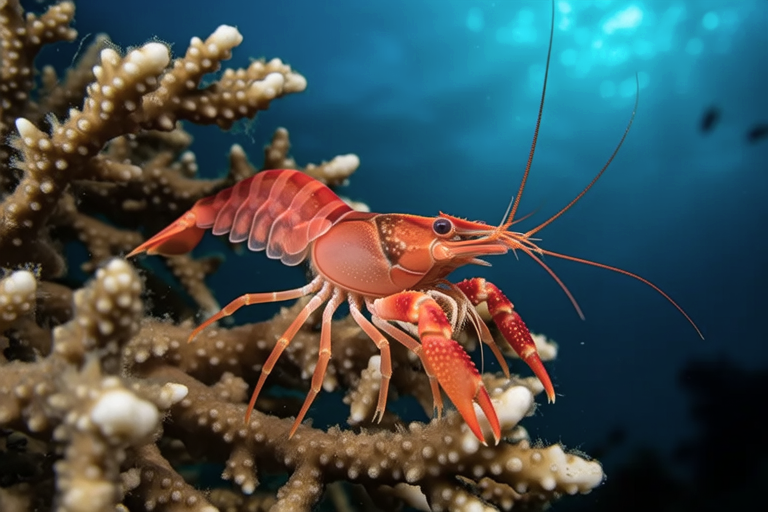
Transform Your Aquarium with These Stunning Coral Shrimp Tips
Welcome to the vibrant world of saltwater aquariums! Among the many fascinating creatures that can enhance your underwater oasis, coral shrimp stand out as a popular choice. Known for their striking appearance and beneficial nature, these small crustaceans not only add beauty to your tank but also play a crucial role in maintaining its cleanliness. In this article, we’ll explore everything you need to know about coral shrimp, from understanding their unique characteristics to providing the best care for them in your aquarium.
Introducing Coral Shrimp: A Versatile Addition to Your Tank
Coral shrimp, scientifically known as Stenopus hispidus, are native to tropical waters around the Caribbean Sea and Western Atlantic Ocean. Their vibrant colors, ranging from bright red to neon blue, make them an attractive addition to any marine environment. Not only do they bring visual appeal, but they also serve as excellent scavengers, helping to keep your tank clean by consuming algae, detritus, and leftover food particles. This dual benefit makes them a favorite among both novice and seasoned aquarists.
Optimal Water Conditions for Healthy Coral Shrimp
To ensure the well-being of your coral shrimp, it’s essential to maintain optimal water conditions within your aquarium. These tiny creatures thrive in stable environments with specific parameters:
- Temperature: Maintain a temperature range between 75°F and 82°F (24°C to 28°C).
- Salinity: Keep salinity levels at approximately 1.023 to 1.026 specific gravity.
- pH Levels: Aim for a pH between 8.1 and 8.4.
- Air Circulation: Ensure adequate oxygenation through efficient filtration systems or air pumps.
Regular monitoring and maintenance of these factors will help create a healthy habitat where your coral shrimp can flourish.
Selecting Compatible Tank Mates
When adding coral shrimp to your aquarium, choosing compatible tank mates is crucial. While they generally coexist peacefully with most fish species, some considerations should be taken into account:
- Avoid aggressive or predatory fish like lionfish, groupers, or triggerfish.
- Consider peaceful species such as clownfish, damselfish, or small tangs.
- Ensure there is enough space for all inhabitants; overcrowding can lead to stress and aggression.
Additionally, it’s important to note that coral shrimp are territorial and may become aggressive towards others of their kind if space is limited. Therefore, it’s advisable to introduce only one pair per tank unless you have ample room for multiple pairs.
Feeding and Maintaining a Balanced Diet
Providing a nutritious diet is key to keeping your coral shrimp healthy and active. While they primarily feed on algae and detritus found naturally in the tank, supplementing their diet with high-quality foods ensures they receive all necessary nutrients:
- Commercial Foods: Offer sinking pellets or flakes designed specifically for marine invertebrates.
- Live Foods: Introduce brine shrimp or daphnia for added variety.
- Algae-Based Foods: Incorporate nori sheets or other seaweed-based snacks.
Feed your shrimp twice daily, ensuring portions are small enough to prevent overfeeding and waste buildup. Over time, observe their eating habits and adjust the quantity accordingly. Regularly cleaning uneaten food from the substrate helps maintain water quality and reduces the risk of harmful bacteria growth.
Setting Up Hiding Spots and Enriching Environments
Creating safe havens within your aquarium encourages natural behaviors and reduces stress among your coral shrimp. Here are some ideas for enhancing their living space:
- Rockwork: Arrange live rock formations to provide crevices and caves where they can hide.
- Plants: Incorporate macroalgae like Chaetomorpha or Caulerpa for additional shelter and grazing opportunities.
- Decorations: Add ceramic structures or PVC pipes for extra hiding spots.
These elements not only offer security but also contribute to a visually appealing setup. Encourage exploration by placing decorations strategically throughout the tank, allowing ample swimming areas.
Common Mistakes to Avoid When Caring for Coral Shrimp
Despite their hardiness, coral shrimp require careful attention to thrive. Here are some pitfalls to watch out for:
- Improper Acclimation: Rushing the acclimation process can shock these sensitive creatures. Gradually introduce new arrivals to your tank over several hours.
- Inadequate Filtration: Poor filtration leads to poor water quality, which can harm shrimp health. Invest in reliable equipment capable of handling your tank size.
- Overcrowding: Too many inhabitants can stress your shrimp and compete for resources. Maintain a balanced population based on available space.
By being mindful of these potential issues, you’ll set yourself up for success in creating a thriving home for your coral shrimp.
Transforming your aquarium with stunning coral shrimp doesn’t have to be complicated. By following these tips and maintaining a nurturing environment, you’ll enjoy watching these delightful creatures thrive while contributing positively to your aquatic ecosystem. Happy aquascaping!
