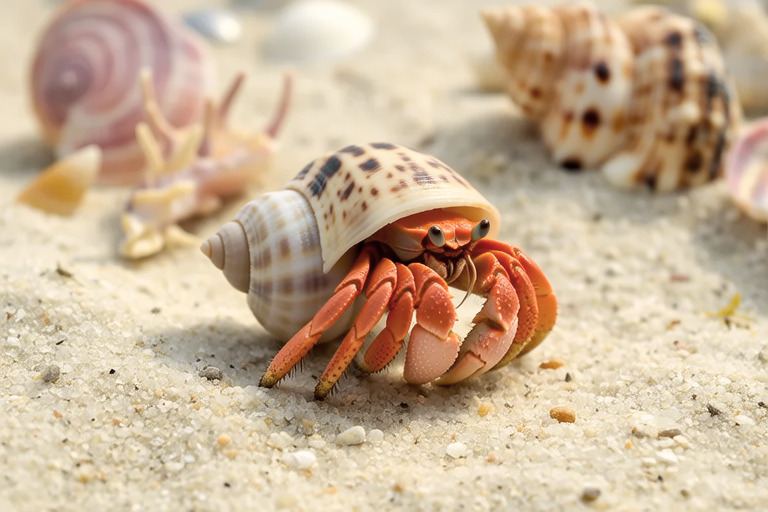
Adventures in Shell Selection: A Hermit Crab Owner’s Journey Through Unique Shells
Hermit crabs are fascinating creatures that have captured the hearts of many pet owners with their quirky personalities and unique needs. Unlike most other crustaceans, hermit crabs do not have a hard exoskeleton to protect them. Instead, they rely on discarded seashells for their safety and comfort. This dependency on shells is crucial for their well-being, making shell selection a vital aspect of hermit crab care. In this article, we will explore the world of shell selection from the perspective of a dedicated hermit crab owner, delving into the joys, challenges, and scientific insights that come with providing the perfect home for these delightful creatures.
The Importance of Shells for Hermit Crabs
Shells serve as both armor and shelter for hermit crabs. They protect the soft abdomen of the crab, which would otherwise be vulnerable to predators and environmental hazards. As hermit crabs grow, they must find larger shells to accommodate their expanding bodies. The process of finding and moving into a new shell is called ‘moulting,’ and it is a critical stage in a hermit crab’s life cycle. Proper shell selection can significantly influence the health and happiness of your hermit crab.
The Journey Begins: Exploring Shell Types and Sizes
When I first brought my hermit crabs home, I was overwhelmed by the sheer variety of shells available. From tiny spirals to large, intricate structures, each shell seemed to offer a unique opportunity for my crabs to express themselves. My journey began with researching the different types of shells suitable for hermit crabs. I quickly learned that not all shells are created equal, and some may even be harmful to the delicate creatures.
One of the first things I discovered was the importance of shell size. Hermit crabs need shells that fit snugly but comfortably around their bodies. A shell that is too small can restrict movement and hinder growth, while one that is too large may cause instability or make it difficult for the crab to secure itself inside. I spent countless hours observing my crabs to understand their preferences and ensure that each one had access to a range of appropriately sized shells.
Natural and Eco-Friendly Shell Sourcing
As I delved deeper into hermit crab care, I became increasingly concerned about the environmental impact of my choices. Many commercially available shells are harvested from wild populations, which can disrupt ecosystems and threaten the survival of certain species. To address this issue, I turned to more sustainable options.
I started sourcing shells from local beaches, ensuring that I only collected those that were empty and naturally shed. This approach not only reduced my carbon footprint but also provided my crabs with shells that were free from harmful chemicals and preservatives often found in store-bought alternatives. Additionally, I discovered online marketplaces and forums where enthusiasts share and trade shells, offering a diverse selection without contributing to over-harvesting.
Variety is Key: Molting and Shell Adaptation
One of the most rewarding aspects of hermit crab ownership is witnessing the molting process. During this time, hermit crabs shed their old exoskeletons and emerge softer and more vulnerable. It is essential to provide a wide variety of shells during this period to accommodate the changing needs of the crabs.
My experience with molting taught me the value of having multiple shell options. I noticed that some crabs preferred shells with wider openings, while others gravitated towards taller, more enclosed structures. By offering a mix of shapes and sizes, I ensured that each crab could find the perfect fit for its new body. This variety also encouraged social interaction among my crabs, as they often exchanged shells and explored different options together.
Avoiding Common Mistakes
Despite my best efforts, I encountered several pitfalls along the way. One of the most common mistakes I made was assuming that all shells were safe for my crabs. Some shells, particularly those with sharp edges or chemical residues, can cause injury or illness. It is crucial to inspect each shell carefully before introducing it to your tank.
Another mistake I made was neglecting to provide enough variety. Initially, I offered only a few types of shells, which led to competition and stress among my crabs. To prevent such issues, I learned to stockpile a diverse selection of shells, ensuring that there were always plenty of options for each crab.
Maintaining a Healthy Environment for Shell Exploration
To create an optimal environment for shell exploration, I focused on maintaining clean and stable conditions within the tank. Regular water changes and substrate maintenance helped prevent the buildup of harmful bacteria and toxins. I also introduced enrichment elements like driftwood, rocks, and plants to stimulate natural behaviors and encourage exploration.
Temperature and humidity control were equally important. Hermit crabs thrive in warm, humid environments, so I invested in a reliable heater and misting system to mimic their natural habitat. By paying attention to these factors, I provided a space where my crabs could feel safe and comfortable while searching for the perfect shell.
The Joy of Watching Hermit Crabs Adapt
One of the most delightful aspects of hermit crab ownership is watching them adapt to their new surroundings. Each time a crab finds a new shell, it is like witnessing a small miracle. Their enthusiasm and curiosity are infectious, and it is impossible not to smile as they scuttle around, investigating every nook and cranny.
Over time, I developed a deep appreciation for the individual personalities of my crabs. Some were bold adventurers, always seeking out the next challenge, while others preferred the security of familiar territory. By providing a rich and varied environment, I allowed each crab to express its unique character and thrive in its own way.
Conclusion
Adventures in shell selection are just one part of the rewarding experience of owning hermit crabs. By understanding the importance of proper shell choice, sourcing eco-friendly options, and creating a healthy environment, you can ensure the well-being and happiness of your pet. Watching hermit crabs adapt to their new homes is a joy that brings lasting satisfaction and a deeper connection with these fascinating creatures.
