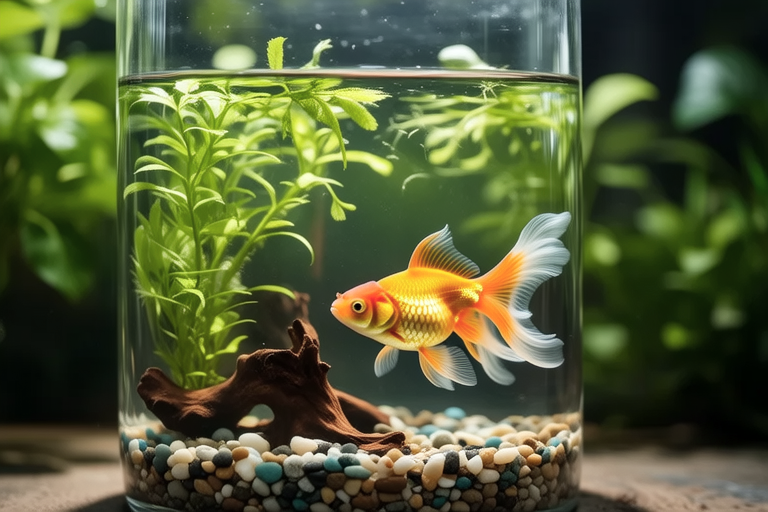
How a Tiny Tank Can Become a Vibrant Home for Your Goldfish
Goldfish are often thought of as simple pets that can thrive in any aquarium. However, creating a healthy and vibrant environment for your goldfish requires careful consideration and planning. Even in a tiny tank, you can create a thriving ecosystem that mimics their natural habitat. This article will guide you through selecting the right tank size, setting up appropriate filtration systems, maintaining water quality, choosing suitable decorations, and adding beneficial plants. We’ll also discuss regular maintenance routines, feeding habits, and how to ensure your goldfish’s health and happiness in a small space.
Selecting the Right Size Tank
The first step in setting up a home for your goldfish is choosing the right tank size. Contrary to popular belief, goldfish need more space than many people think. A general rule of thumb is to provide at least 20 gallons of water per fish for optimal growth and health. For a single goldfish, a 20-gallon tank is ideal. If you’re considering multiple fish, calculate accordingly. Smaller tanks can be used, but they require more frequent water changes and careful monitoring to maintain water quality.
Proper Filtration Systems
Adequate filtration is crucial for maintaining water quality in your goldfish tank. Goldfish produce a significant amount of waste, so a filter that provides both mechanical and biological filtration is essential. Mechanical filtration removes solid waste from the water, while biological filtration supports beneficial bacteria that break down harmful ammonia and nitrites. Choose a filter that is rated for a tank larger than the one you have to ensure it can handle the increased waste load.
Maintaining Water Quality
Water quality is paramount for the health of your goldfish. Regular water changes are necessary to remove toxins and replenish essential minerals. Aim to change about 25% of the water weekly, or more frequently if your tank is smaller. Test the water regularly for pH, ammonia, nitrite, and nitrate levels to ensure they remain within safe ranges. Maintaining a stable pH between 6.8 and 7.4 is ideal for goldfish.
Suitable Decorations
Decorations not only enhance the aesthetic appeal of your tank but also provide hiding spots and stimulation for your goldfish. Opt for non-toxic decorations that won’t affect water quality. Natural elements like driftwood, rocks, and caves can mimic a natural environment. Ensure there are no sharp edges or small parts that could harm your fish. Floating plants can also be added to provide shade and reduce light intensity.
Beneficial Plants
Adding live plants to your tank can greatly benefit your goldfish. Plants help oxygenate the water, absorb nitrates, and provide a natural source of food. Choose hardy species that can withstand the conditions in a goldfish tank, such as Anubias, Java fern, or hornwort. These plants are less likely to be eaten by goldfish and can thrive in slightly cooler temperatures. Floating plants like duckweed can also be beneficial.
Regular Maintenance Routines
Consistent care is key to keeping your goldfish healthy. In addition to water changes, clean the tank glass and decorations regularly to prevent algae buildup. Check the filter and heater (if applicable) for proper functioning. Inspect your goldfish daily for signs of illness, such as lethargy, loss of appetite, or unusual behavior. Early detection can lead to prompt treatment and better outcomes.
Feeding Habits
Proper nutrition is vital for the health and longevity of your goldfish. Feed them a high-quality flake or pellet food designed for goldfish. Offer small amounts of food two to three times daily, ensuring they finish eating within a few minutes. Overfeeding can lead to poor water quality and obesity. Occasionally supplement their diet with live or frozen foods like brine shrimp or bloodworms for variety and extra nutrients.
Ensuring Health and Happiness
To ensure your goldfish’s health and happiness, consider the following:
- Temperature Control: Maintain a consistent temperature between 68°F and 74°F (20°C to 23°C). Goldfish are cold-water fish and do not require a heater, but sudden temperature changes can stress them.
- Lighting: Provide 8-12 hours of light per day to simulate natural daylight cycles. Avoid overly bright lights that can cause stress.
- Space: Ensure your goldfish have enough space to swim freely. Inadequate space can lead to stress and reduced activity levels.
- Companionship: Goldfish are social creatures and enjoy the company of other goldfish. However, avoid overcrowding, which can lead to stress and disease.
Creating a Stimulating Environment
Creating a stimulating environment in your tiny tank can greatly enhance your goldfish’s well-being. Incorporate elements that encourage exploration and interaction. Floating objects, such as ping pong balls or lightweight ornaments, can provide entertainment. Consider adding a bubble wand or an air stone to create gentle water movement, simulating the flow found in natural environments. This not only adds visual interest but also helps oxygenate the water.
Another way to mimic natural habitats is by introducing a variety of substrates. Gravel or sand can be used to cover the bottom of the tank, providing a natural look and hiding places for fish. Ensure the substrate is small enough that it won’t be ingested during feeding. Adding some smooth river rocks or driftwood can further enrich the tank’s appearance and functionality.
Conclusion
While a tiny tank may seem limiting, it can still serve as a vibrant home for your goldfish with the right setup and care. By selecting the appropriate tank size, installing proper filtration systems, maintaining water quality, and providing suitable decorations and plants, you can create an environment that closely resembles their natural habitat. Regular maintenance, thoughtful feeding habits, and attention to detail will ensure your goldfish thrive and remain happy. With these guidelines, you can transform your small tank into a thriving ecosystem where your goldfish can flourish.
