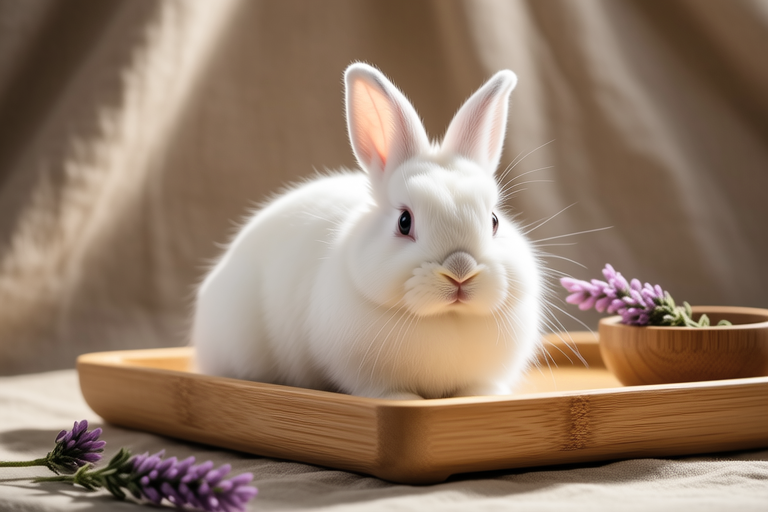
The Mini Marvels: Caring for Your Dutch Dwarf Rabbit
Welcome to the enchanting world of the Dutch Dwarf Rabbit! These delightful creatures are a popular choice among rabbit enthusiasts due to their unique charm, small size, and friendly demeanor. In this comprehensive guide, we will explore everything you need to know about caring for your Dutch Dwarf Rabbit, from understanding their characteristics to ensuring their health and happiness.
Unique Charm and Characteristics
Dutch Dwarf Rabbits are one of the smallest breeds of domestic rabbits, typically weighing between 1.8 to 2.7 kg (4 to 6 pounds). Their compact size makes them ideal pets for those with limited space. The breed’s most striking feature is its distinctive color pattern, characterized by a white body with a contrasting colored head, ears, and tail. This coloration can vary widely, with common colors including black, blue, chocolate, and lilac.
In addition to their charming appearance, Dutch Dwarfs are known for their gentle and sociable nature. They are generally calm and friendly, making them excellent companions for families and individuals alike. However, like all animals, each Dutch Dwarf has its own personality, so it’s important to spend time getting to know your rabbit and understanding its individual needs.
Dietary Needs
Proper nutrition is crucial for the health and well-being of your Dutch Dwarf Rabbit. A balanced diet should consist primarily of hay, supplemented with fresh vegetables and a limited amount of pellets. Timothy hay is particularly recommended for adult rabbits, while younger rabbits may benefit from alfalfa hay for additional calcium.
Vegetables should be introduced gradually and in moderation to avoid digestive upset. Safe choices include leafy greens such as romaine lettuce, spinach, and parsley. Carrots and other root vegetables should be offered sparingly due to their high sugar content. Pellets should be chosen specifically for dwarf rabbits, as they are formulated to meet the nutritional needs of smaller breeds.
Always provide access to clean, fresh water. Water bottles are preferable to bowls as they help prevent contamination and keep the water supply clean.
Housing Requirements
Adequate housing is essential for keeping your Dutch Dwarf Rabbit healthy and happy. While rabbits can thrive indoors or outdoors, they require a safe, secure environment that provides protection from predators and extreme weather conditions.
The cage should be large enough to allow the rabbit to stretch out fully and stand up on its hind legs without touching the top of the cage. A minimum size of 36 inches long, 24 inches wide, and 24 inches high is recommended. The cage should also have solid flooring to prevent sore hocks, a condition caused by pressure on the back feet.
Bedding material should be soft and absorbent, such as paper-based products or recycled newspaper. Avoid wood shavings and sawdust, as these can cause respiratory issues. Environmental enrichment is also important; provide toys, tunnels, and other items to stimulate your rabbit’s curiosity and encourage natural behaviors.
Grooming Practices
Maintaining a healthy coat is vital for your Dutch Dwarf Rabbit’s overall health. Regular grooming helps remove loose fur, reduces the risk of hairballs, and keeps your rabbit looking its best. Brush your rabbit weekly with a slicker brush to remove dead hair and distribute natural oils throughout the coat.
Bathing should be kept to a minimum, as rabbits can become stressed by water. If bathing is necessary, use a mild, pet-safe shampoo and dry thoroughly to prevent chills. Additionally, trim your rabbit’s nails every few weeks to prevent overgrowth and discomfort.
Exercise and Playtime
Physical activity is crucial for the health of your Dutch Dwarf Rabbit. While they enjoy lounging in their enclosure, providing opportunities for exercise and playtime is essential for their mental and physical well-being. Allow your rabbit supervised time outside of its cage daily, using a rabbit-proofed room or a large exercise pen.
Engage your rabbit with toys and activities that encourage movement and exploration. Tunnels, balls, and chew toys can provide hours of entertainment and mental stimulation. Rotate toys periodically to keep your rabbit interested and engaged.
Handling and Socialization
Handling your Dutch Dwarf Rabbit gently and consistently is key to building a strong bond and ensuring your rabbit remains comfortable around humans. Begin by allowing your rabbit to approach you on its own terms, offering treats to create positive associations. Once your rabbit feels comfortable, gently pick it up, supporting its hindquarters and being careful not to squeeze or drop the rabbit.
Socialization is also important for your rabbit’s emotional health. Introduce your rabbit to new people and environments gradually, always ensuring the safety and comfort of your pet. Positive interactions with humans and other animals can help your rabbit develop into a confident and friendly companion.
Common Health Issues and Preventive Measures
Like all pets, Dutch Dwarf Rabbits are susceptible to certain health issues. Some common problems include dental disease, obesity, and gastrointestinal stasis. To prevent these issues, maintain a balanced diet, provide ample exercise, and schedule regular veterinary check-ups.
Signs of dental problems include drooling, loss of appetite, and difficulty eating. Gastrointestinal stasis, a potentially life-threatening condition, is often caused by stress, lack of exercise, or poor diet. Early signs include decreased appetite, lethargy, and changes in stool consistency. Prompt veterinary care is essential if any of these symptoms arise.
Preventive measures include routine dental check-ups, a healthy diet, and plenty of exercise. Regular grooming and nail trimming can also contribute to your rabbit’s overall health. By providing proper care and attention, you can help ensure your Dutch Dwarf Rabbit lives a long, happy, and healthy life.
