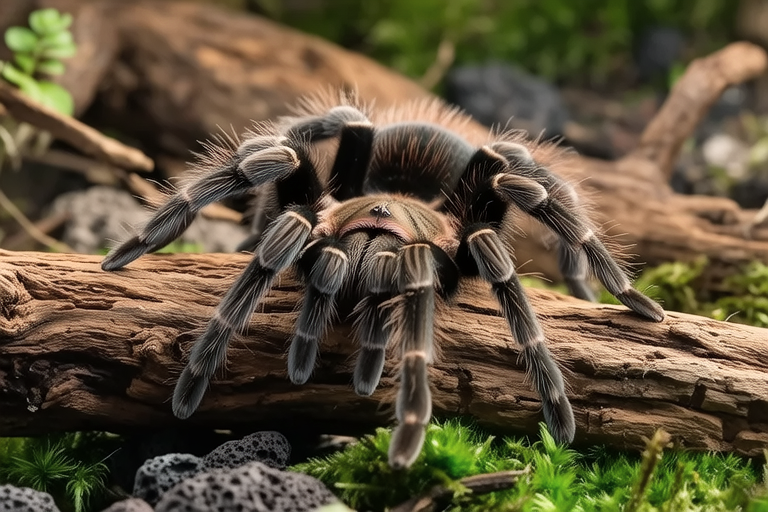
8 Myths Debunked About Living with Tarantulas as Pets
Tarantulas have increasingly become a popular choice among exotic pet enthusiasts. These fascinating arachnids, known for their size and unique appearance, offer a rewarding experience for those who appreciate the beauty of nature’s creatures. With over 900 species worldwide, tarantulas come in various colors, sizes, and temperaments, making them intriguing companions for those willing to learn and care for them properly. Despite their growing popularity, many misconceptions persist regarding tarantulas as pets. This article aims to dispel eight common myths surrounding tarantulas and provide factual information to help both potential owners and curious readers better understand these captivating creatures.
Myth 1: Tarantulas Are Highly Aggressive
One of the most prevalent myths about tarantulas is that they are aggressive and dangerous. In reality, tarantulas are generally shy and reclusive animals that prefer to avoid confrontation. They will only bite if they feel threatened or provoked, and even then, their venom is mild and comparable to a bee sting for humans. Species like the Chilean rose tarantula (Grammostola rosea) and the Mexican red-kneed tarantula (Brachypelma smithi) are particularly docile and commonly kept as pets. According to the American Tarantula Society, most tarantula bites result in minor discomfort but no serious harm.
Myth 2: Tarantulas Require Specialized Enclosures
Another misconception is that tarantulas need expensive, specialized enclosures. While it’s true that tarantulas require specific environmental conditions, such as appropriate substrate, temperature, and humidity levels, they don’t necessarily need elaborate setups. A simple terrarium with the right dimensions, proper ventilation, and adequate hiding spots can suffice. The key is ensuring the enclosure provides enough space for the tarantula to move around comfortably and maintain its health. For example, a 10-gallon tank is often sufficient for most tarantulas, though larger species may require more room.
Myth 3: Tarantulas Are Nocturnal and Uninteresting to Watch
Many people believe that tarantulas are nocturnal and therefore uninteresting to observe. While it’s true that tarantulas are primarily active at night, this doesn’t mean they are boring. Observing their behavior during feeding times or when they’re constructing webs can be fascinating. Additionally, some species, like the pink toe tarantula (Avicularia avicularia), are more diurnal and can be seen during the day. Patience and regular observation can reveal the intricate details of their daily routines and behaviors, making them engaging pets.
Myth 4: Tarantulas Don’t Need Much Care
Contrary to popular belief, tarantulas do require attentive care to thrive. Proper maintenance includes regular cleaning of the enclosure, monitoring temperature and humidity levels, and providing a balanced diet. Unlike some other pets, tarantulas cannot vocalize their needs or express discomfort easily. Owners must stay vigilant and familiarize themselves with the signs of stress or illness. Regular consultations with experienced breeders or veterinarians specializing in exotic pets can also ensure the tarantula’s well-being.
Myth 5: Tarantulas Will Grow Out of Their Cage
This myth stems from the fact that tarantulas molt, shedding their exoskeletons as they grow. Some people worry that tarantulas will outgrow their cages, but this is unfounded. While tarantulas do increase in size over time, they won’t suddenly grow too large for their enclosure. Ensuring the cage is appropriately sized for the species from the start helps prevent any issues related to space. It’s important to research the adult size of the tarantula species before purchasing one to guarantee the enclosure will remain suitable throughout the tarantula’s life.
Myth 6: Tarantulas Are Social Creatures
Another misconception is that tarantulas are social animals and can live together. In truth, tarantulas are solitary creatures that do not require companionship. Housing multiple tarantulas together can lead to aggressive interactions, especially during molting periods when they are vulnerable. Each tarantula should have its own enclosure to prevent stress and potential injuries. Experts recommend keeping tarantulas separately unless breeding, and even then, careful planning is necessary to minimize risks.
Myth 7: Tarantulas Make Good First Pets
While tarantulas can make excellent pets for experienced exotic animal owners, they are not ideal first pets. Caring for tarantulas requires knowledge of their specific needs, including dietary requirements, environmental conditions, and handling techniques. Beginners might find the responsibility overwhelming and could unintentionally cause harm to the tarantula. It’s advisable for new pet owners to start with more common and forgiving pets, gradually building up experience before considering tarantulas.
Myth 8: Tarantulas Are Short-Lived Pets
The lifespan of tarantulas is often underestimated. Depending on the species, tarantulas can live anywhere from 10 to 30 years. Females typically outlive males due to their longer reproductive cycles. For instance, the Mexican red-kneed tarantula can live up to 30 years, while male tarantulas usually reach maturity and die within 5 to 10 years. This longevity makes tarantulas a long-term commitment, underscoring the importance of thorough research and preparation before adopting one.
Responsibilities and Considerations for Potential Tarantula Owners
For those genuinely interested in keeping tarantulas as pets, understanding the responsibilities involved is crucial. First and foremost, prospective owners should conduct extensive research on the specific species they wish to adopt, focusing on habitat requirements, dietary preferences, and potential health issues. It’s also essential to consult with experienced breeders or veterinarians to gain insights into proper care techniques.
Creating a suitable environment is another vital aspect of tarantula ownership. This involves setting up an enclosure that meets all necessary conditions, including temperature, humidity, and substrate. Regular maintenance, such as cleaning the enclosure and monitoring the tarantula’s health, ensures a comfortable and safe living space. Handling tarantulas should be done carefully and infrequently to minimize stress and the risk of injury.
Lastly, adopting a tarantula entails a significant emotional and financial commitment. The long lifespan of tarantulas means they will be part of the owner’s life for many years, requiring ongoing care and attention. Potential owners should weigh these factors carefully to ensure they are prepared for the responsibility of caring for a tarantula.
In conclusion, while tarantulas may not be for everyone, they can be rewarding and fascinating pets for those willing to invest the time and effort required. By dispelling common myths and providing accurate information, we hope to encourage responsible and informed decisions for those interested in adding a tarantula to their family.
