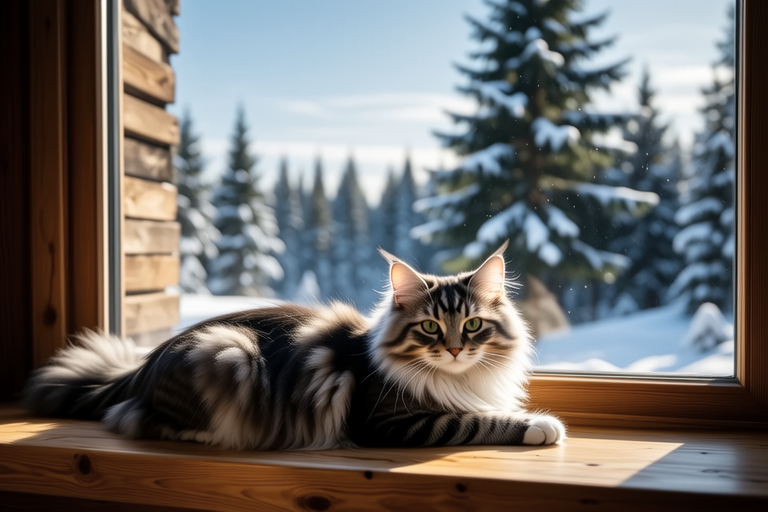
The Role of Pets in Norwegian Culture
Pets play a significant role in Norwegian culture, reflecting the nation’s values, traditions, and way of life. From the types of animals commonly kept as companions to the historical evolution of pet ownership, the impact of climate and geography on pet choices, and popular pet-related activities or events, the bond between Norwegians and their pets is deeply rooted in their society.
Types of Animals Commonly Kept as Companions
In Norway, dogs are the most popular pets, followed by cats. Other common pets include birds, fish, and small mammals such as hamsters and guinea pigs. The choice of pet often depends on the owner’s lifestyle, living conditions, and personal preferences. For instance, people living in urban areas may prefer smaller pets like cats or birds, while those in rural areas might opt for larger animals like horses or sheepdogs.
Historical Evolution of Pet Ownership in Norway
The history of pet ownership in Norway dates back centuries. Initially, animals were primarily kept for practical purposes such as hunting, herding, and protection. However, over time, the relationship between humans and animals evolved, leading to the development of companion animals. By the 19th century, pet ownership had become more widespread, with dogs and cats being kept for companionship rather than work. This trend continued into the 20th century, with the rise of animal welfare organizations and the growing recognition of the emotional benefits of owning a pet.
Impact of Climate and Geography on Pet Choices
The harsh climate and rugged terrain of Norway have influenced pet choices throughout history. In the past, hardy breeds of dogs, such as the Norwegian Elkhound and the Lundehund, were favored for their ability to withstand cold temperatures and navigate challenging landscapes. Today, while many Norwegians still favor these traditional breeds, there is also a growing interest in smaller, indoor pets that require less space and maintenance. Additionally, the long, dark winters in Norway have led to a greater appreciation for pets that provide comfort and companionship during difficult times.
Popular Pet-Related Activities or Events
Several pet-related activities and events are popular in Norway, reflecting the importance of pets in everyday life. Dog shows, agility competitions, and obedience trials are among the most popular events, offering opportunities for owners to showcase their pets’ talents and compete against others. Additionally, there are numerous pet-friendly festivals and fairs held throughout the year, celebrating the bond between humans and animals. These events often feature vendors selling pet supplies, veterinarians providing health checks, and educational seminars on pet care and training.
The Unique Bond Between Norwegians and Their Pets
The bond between Norwegians and their pets is unique and deeply meaningful. Many Norwegians view their pets as family members, treating them with the same level of care and affection as they would a human child. This close relationship is reflected in the way pets are integrated into daily life, with many owners taking their dogs for walks, hiking, and skiing together. The strong bond between Norwegians and their pets is also evident in the way they mourn the loss of a beloved pet, often holding memorial services and creating lasting tributes to honor their memory.
Regulations and Cultural Norms Surrounding Pet Care
Norway has strict regulations and cultural norms surrounding pet care, ensuring the well-being of animals and promoting responsible ownership. The Animal Welfare Act, which came into effect in 2010, sets out the legal obligations of pet owners, including providing adequate food, water, shelter, and medical care. Additionally, there are laws regulating the breeding, sale, and transport of animals, as well as restrictions on certain practices such as declawing cats and docking dogs’ tails. In terms of cultural norms, Norwegians generally view it as unacceptable to leave pets alone for extended periods or to chain them outside without proper supervision.
Pet Ownership Reflects Broader Aspects of Norwegian Society and Lifestyle
The relationship between Norwegians and their pets reflects broader aspects of Norwegian society and lifestyle. The emphasis on outdoor activities and physical fitness is mirrored in the way Norwegians exercise with their pets, whether it be going for a walk, running, or skiing together. The strong sense of community and social responsibility is also evident in the way Norwegians look after each other’s pets when needed, offering to watch them while their owners are away or helping to find homes for stray animals. Furthermore, the commitment to sustainability and environmental protection is reflected in the way Norwegians care for their pets, ensuring that they live healthy, happy lives while minimizing their impact on the environment.
Conclusion
The role of pets in Norwegian culture is multifaceted and deeply ingrained in the fabric of society. From the types of animals commonly kept as companions to the historical evolution of pet ownership, the impact of climate and geography on pet choices, and popular pet-related activities or events, the bond between Norwegians and their pets is unique and meaningful. The regulations and cultural norms surrounding pet care reflect the country’s commitment to animal welfare and responsible ownership, while the relationship between humans and animals reflects broader aspects of Norwegian society and lifestyle. Whether it be through shared outdoor activities, community involvement, or environmental protection, pets play an important role in the lives of Norwegians, enriching their experiences and contributing to their overall well-being.
