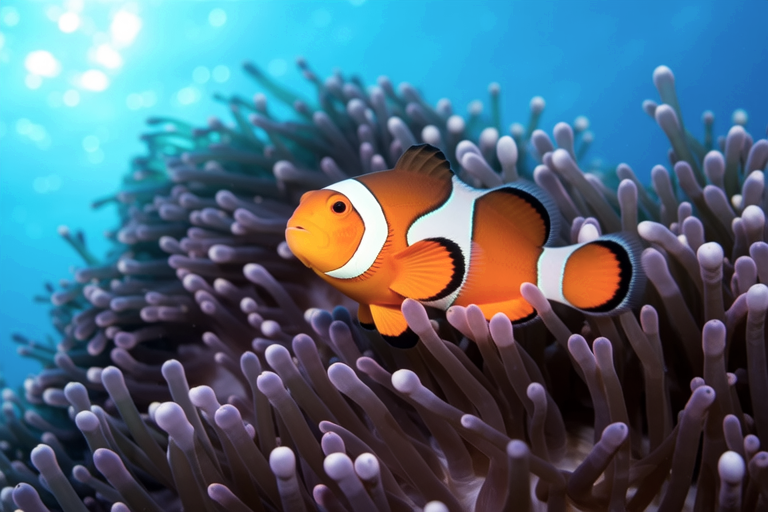
The Symbiotic Relationship Between Clownfish and Sea Anemones: Best Friends in the Ocean
Clownfish and sea anemones are often referred to as the best friends in the ocean due to their unique and mutually beneficial relationship. This symbiosis is one of the most fascinating examples of coexistence in marine biology. In this article, we will explore the intricate details of their relationship, focusing on the protection offered by the sea anemone to the clownfish, the nutritional benefits the anemone receives from the clownfish, and the scientific insights into their chemical communication and evolutionary adaptations. We will also highlight some surprising aspects of their interaction that may not be commonly known.
Protection from Predators
One of the most well-known benefits of this symbiotic relationship is the protection that the sea anemone provides to the clownfish. The anemone’s tentacles are covered with specialized structures called nematocysts, which are capable of delivering a powerful sting. These stings are potent enough to deter most potential predators, but not the clownfish. The clownfish has developed a special mucus coating on its skin that prevents the anemone from detecting it as a threat. This adaptation allows the clownfish to move freely among the anemone’s tentacles without triggering the nematocysts. Additionally, the clownfish’s behavior has evolved to minimize contact with the tentacles, further reducing the risk of being stung.
Nutritional Benefits
While the sea anemone protects the clownfish from predators, the clownfish also provides important benefits to the anemone. One of the primary benefits is the nutrients that the clownfish excretes. Clownfish feed on small plankton and algae, and their waste products contain valuable nutrients that the anemone can absorb through its tissues. This process is known as allelopathy, where one organism produces chemicals that benefit another. The anemone uses these nutrients to fuel photosynthesis, which is the process by which it converts light energy into chemical energy. By providing the anemone with additional nutrients, the clownfish helps to enhance its growth and reproductive success.
Chemical Communication
The relationship between clownfish and sea anemones is not just based on physical proximity; there is also a complex system of chemical communication that facilitates their interaction. Recent studies have shown that the clownfish releases certain chemicals that help to neutralize the anemone’s nematocysts. These chemicals are thought to mimic the anemone’s own chemical signals, effectively tricking the nematocysts into not firing. Additionally, the clownfish has been found to release other chemicals that may help to stimulate the growth of the anemone. This chemical communication highlights the depth of the relationship between these two organisms and suggests that they have evolved together over time to optimize their interaction.
Evolutionary Adaptations
The evolutionary adaptations that have allowed clownfish and sea anemones to form such a successful symbiotic relationship are truly remarkable. Over millions of years, both species have undergone significant changes to better suit their roles in the partnership. The clownfish has developed a thick mucus layer on its skin, which not only protects it from the anemone’s stings but also helps to prevent infection. The anemone, on the other hand, has evolved to be more efficient at capturing prey, which it shares with the clownfish. This mutualism has led to increased survival rates for both species, making it one of the most stable and long-lasting symbiotic relationships in the ocean.
Surprising Aspects of Their Interaction
There are several surprising aspects of the relationship between clownfish and sea anemones that may not be commonly known. For example, not all species of clownfish can live with all species of sea anemones. Some clownfish species are highly specific in their choice of anemone partners, while others are more flexible. Additionally, the clownfish has been observed to engage in behaviors that are not typically seen in other fish species. For instance, clownfish are known to clean the anemone by removing debris and parasites, which helps to keep the anemone healthy. They also have been observed to fan their fins near the anemone’s mouth, which may help to circulate water and improve gas exchange.
Another surprising aspect of their interaction is the way in which the clownfish and sea anemone communicate. While the chemical communication mentioned earlier is well-documented, recent research has suggested that there may be other forms of communication at play. For example, it has been proposed that the clownfish may use vibrations or electrical signals to communicate with the anemone. These signals could help to coordinate their behavior and ensure that both species are working together efficiently. Additionally, it has been suggested that the clownfish may use visual cues to signal danger to the anemone, allowing it to retract its tentacles and protect itself from potential threats.
Conclusion
The symbiotic relationship between clownfish and sea anemones is a true marvel of nature. Through their unique adaptations and complex interactions, these two species have formed a partnership that benefits both parties. The clownfish is protected from predators by the anemone’s stinging cells, while the anemone receives nutrients from the clownfish’s waste products. Their chemical communication and evolutionary adaptations have allowed them to optimize their interaction, making it one of the most stable and long-lasting symbiotic relationships in the ocean. As we continue to study this relationship, we may uncover even more surprising aspects of their interaction, further deepening our understanding of the intricate web of life in the ocean.
