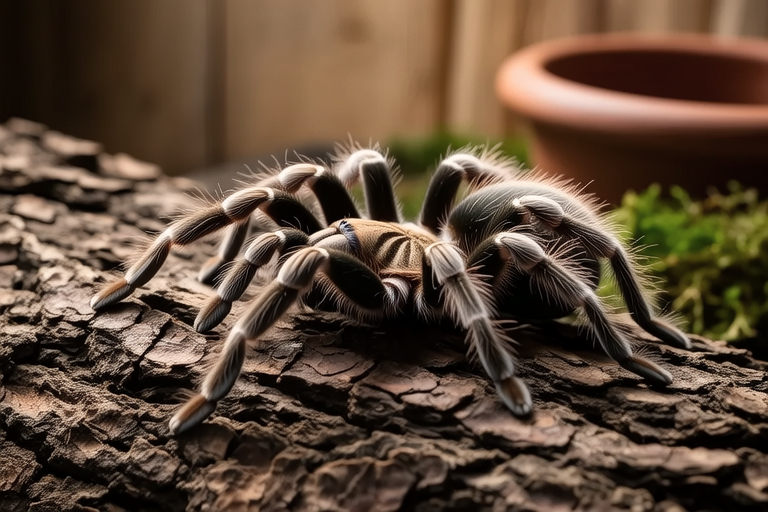
Unraveling the Myths: What It’s Really Like to Own a Tarantula
Tarantulas have long been shrouded in myths and misconceptions, often portrayed as aggressive and dangerous creatures. However, the reality of owning a tarantula is far from the Hollywood portrayal. This article aims to dispel these myths and provide an insightful look into what it’s really like to own one of these fascinating arachnids.
Dispelling Common Myths
Myth 1: Tarantulas are extremely aggressive. The truth is that tarantulas are generally calm and docile. They prefer to avoid confrontation and will only bite if they feel threatened. Most tarantulas have weak venom that is comparable to a bee sting.
Myth 2: All tarantulas are huge. While some species can grow quite large, many are actually quite small. The average size ranges from 3 to 5 inches in leg span, making them manageable pets.
Myth 3: Tarantulas require extensive care. Contrary to popular belief, tarantulas are relatively low-maintenance pets. They don’t need daily interaction or elaborate feeding schedules. However, they do require specific environmental conditions to thrive.
Housing Needs
The first step in setting up your tarantula’s home is choosing the right enclosure. A glass tank with a secure lid is ideal, ensuring that your pet has enough room to move around comfortably. For a standard-sized tarantula, a 10-gallon tank is usually sufficient.
Substrate: The substrate should be at least two to three inches deep, providing a comfortable environment for burrowing. Coconut fiber, peat moss, and vermiculite are popular choices due to their moisture-retention properties.
Temperature and Humidity: Maintaining the correct temperature and humidity levels is crucial for your tarantula’s health. Most species thrive in temperatures ranging from 75°F to 85°F (24°C to 29°C) and humidity levels between 60% and 80%. Use a hygrometer to monitor humidity and a thermometer to check the temperature.
Dietary Specifics
Tarantulas are carnivorous and primarily feed on insects. Crickets, mealworms, and dubia roaches are commonly used. The size of the prey should match the tarantula’s mouthparts; overly large prey can cause injury. Feed adult tarantulas once a week, while juveniles may need smaller meals more frequently.
Feeding Method: Place the food item inside the enclosure and leave it overnight. If the tarantula hasn’t eaten the prey by morning, remove it to prevent it from biting or stressing your pet. Always ensure the enclosure is clean and free from uneaten prey.
Health Care
Regular health checks are essential. Look for signs of molting, which involves shedding their exoskeleton. During this process, the tarantula is vulnerable and should not be disturbed. After molting, the new exoskeleton is soft and requires time to harden.
Common health issues include dehydration and mites. Dehydration can be prevented by maintaining proper humidity levels. Mites can be treated with a commercial product specifically designed for arachnids. Always consult a veterinarian who specializes in exotic animals for any serious health concerns.
Handling and Interaction
While tarantulas can be handled, it’s important to approach them with caution and respect. Never grab or squeeze them. Instead, gently place your hand near the enclosure and allow the tarantula to crawl onto you. This method minimizes stress and reduces the risk of injury.
Safety Precautions: Always wash your hands before and after handling your tarantula to prevent the transfer of bacteria. Keep handling sessions short and infrequent, as excessive handling can stress the animal.
Sourcing and Choosing a Tarantula
When considering a tarantula, research various species to find one that suits your lifestyle. Some popular species include the Mexican red-knee, Chilean rose, and Brazilian giant white knee. Each species has its unique care requirements, so choose wisely.
Where to Buy: Purchase from reputable breeders or pet stores specializing in exotic animals. Avoid wild-caught tarantulas, as they may carry parasites or diseases. Handling a tarantula from a breeder ensures that it is healthy and accustomed to captivity.
Long-Term Responsibilities
Owning a tarantula is a long-term commitment. They can live for 15 to 20 years or more, depending on the species. Be prepared for regular maintenance, including cleaning the enclosure, monitoring environmental conditions, and providing proper nutrition.
It’s also important to consider the emotional aspect of ownership. While tarantulas don’t form bonds like dogs or cats, they can become familiar with their handlers over time. Observing their behavior and caring for them can bring a sense of satisfaction and connection.
In conclusion, owning a tarantula can be a rewarding experience for those willing to learn and adapt to the unique needs of these fascinating creatures. By understanding their true nature and providing the appropriate care, you can enjoy a harmonious relationship with your pet tarantula.
