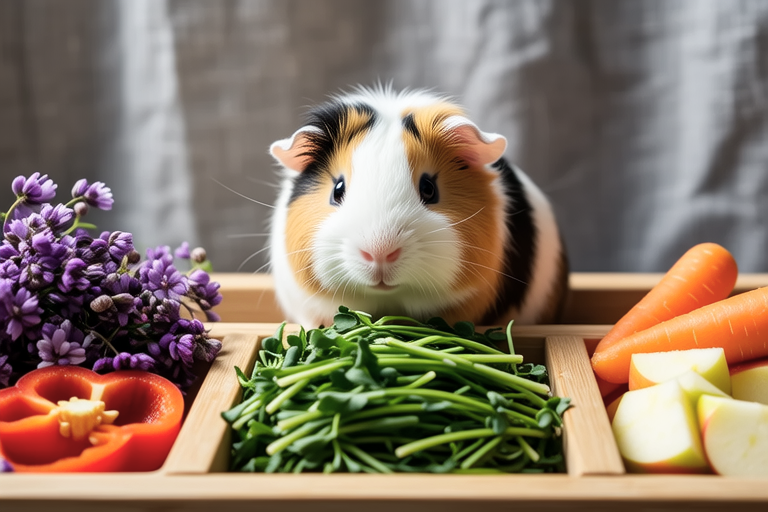
The Ultimate Guinea Pig Diet: Foods to Feed and Avoid
Welcome to your ultimate guide to feeding your guinea pig! As a responsible pet owner, understanding your guinea pig’s dietary needs is crucial for their overall health and well-being. This article will provide you with a comprehensive overview of what your guinea pig should eat and avoid, including the importance of vitamin C, water consumption, and how to introduce new foods safely.
Dietary Needs of Guinea Pigs
Guinea pigs, also known as cavies, have specific dietary requirements that must be met to ensure they live long, healthy lives. One of the most important aspects of their diet is their need for vitamin C. Unlike many other animals, guinea pigs cannot produce vitamin C internally and must obtain it from their food. A deficiency in vitamin C can lead to scurvy, a disease characterized by lethargy, loss of appetite, and bleeding gums. To prevent this, it’s essential to include foods rich in vitamin C in your guinea pig’s diet.
Foods Rich in Vitamin C
Fortunately, there are plenty of foods that are high in vitamin C and can easily be incorporated into your guinea pig’s daily meals. Here are some of the best options:
- Bell peppers: Red, yellow, and orange bell peppers are particularly rich in vitamin C and can be given in small amounts as treats.
- Kale: This leafy green vegetable is not only high in vitamin C but also contains other essential nutrients.
- Broccoli: While it can cause gas in some guinea pigs, it is still a good source of vitamin C when given in moderation.
- Brussels sprouts: These tiny cabbages are another excellent source of vitamin C.
- Oranges: A small piece of orange can be given as a treat, though too much citrus can upset their stomachs.
Safe Vegetables for Guinea Pigs
Vegetables play a significant role in a guinea pig’s diet, providing essential vitamins, minerals, and fiber. Here are some vegetables that are safe and beneficial for your guinea pig:
- Celery: High in water content, celery helps keep your guinea pig hydrated while offering vitamins and minerals.
- Cucumber: Another hydrating option, cucumbers are low in calories and rich in vitamins.
- Zucchini: This vegetable is a great source of fiber and can be served raw or lightly steamed.
- Romaine lettuce: Unlike iceberg lettuce, romaine is safe and nutritious for guinea pigs.
- Bok choy: This Chinese cabbage is low in calcium and high in vitamin A.
Fruits for Guinea Pigs
While fruits should be given sparingly due to their high sugar content, they can still be a tasty and nutritious treat for your guinea pig. Here are some fruits that are safe in moderation:
- Apples: Remove the seeds and core before giving apples to your guinea pig.
- Bananas: The peel should be removed, and bananas should be offered sparingly.
- Pineapple: This tropical fruit is high in vitamin C but should be given in very small quantities due to its acidity.
- Mango: Peel and seed the mango before offering it to your guinea pig.
- Strawberries: A small number of strawberries can be given as a special treat.
Hay and Pellets
Hay and pellets form the foundation of your guinea pig’s diet, providing necessary fiber and nutrients. Timothy hay is the most commonly recommended type of hay for guinea pigs, as it aids in digestion and dental health. Alfalfa hay, which is higher in calcium, should be limited to younger guinea pigs or those with specific dietary needs.
Pellets designed specifically for guinea pigs should make up a significant portion of their diet. Look for pellets that are high in fiber and low in added sugars and fillers. It’s important to check the expiration date on the packaging, as stale pellets can lose their nutritional value over time.
The Importance of Water
Water is essential for your guinea pig’s health, helping them digest their food and maintain proper hydration. Always provide fresh, clean water in a sipper bottle or bowl. Regularly cleaning the water container is crucial to prevent bacterial growth and ensure your guinea pig stays hydrated.
Foods to Avoid
Just as there are foods that are beneficial for your guinea pig, there are also foods that can be harmful or cause digestive issues. Here are some foods to avoid:
- Iceberg lettuce: This type of lettuce has little nutritional value and can cause diarrhea.
- Avocado: The skin and pit of avocados contain a toxin that can be harmful to guinea pigs.
- Onions and garlic: These vegetables can damage your guinea pig’s red blood cells.
- Nuts and seeds: These are high in fat and should be avoided.
- Dairy products: Guinea pigs are lactose intolerant, so milk, cheese, and yogurt should be off-limits.
Tips for Introducing New Foods
When introducing new foods to your guinea pig’s diet, it’s important to do so gradually to avoid upsetting their digestive system. Start by offering a small amount of the new food and monitor your guinea pig for any signs of discomfort or digestive issues. If everything seems fine after a few days, you can gradually increase the amount. Remember, each guinea pig is different, so pay close attention to their individual reactions.
Maintaining a Balanced Diet
To ensure your guinea pig maintains a balanced diet, it’s essential to offer a variety of foods and rotate their choices regularly. This helps prevent boredom and ensures they receive a wide range of nutrients. Additionally, avoid overfeeding your guinea pig, especially with treats like fruits and vegetables, as obesity can lead to health problems.
In conclusion, providing a balanced and nutritious diet for your guinea pig is key to their health and happiness. By understanding their dietary needs and offering a variety of safe and beneficial foods, you can help your guinea pig thrive. Remember to always consult with a veterinarian if you have any concerns about your guinea pig’s diet or health.
